
Why Your Premium Did Not Drop When You Retired
You stopped commuting. Your annual mileage dropped from 12,000 to 4,500. The paid-off sedan in the garage has not seen a claim in a decade. Yet your renewal notice arrived this month showing the same premium you paid three years ago when you were still working. The carrier never asked about your mileage, never mentioned a mature-driver discount, and the agent never called. This is not an oversight; it is how the system works when you do not trigger the review yourself.
California Insurance Code §11628.3 requires every auto insurer writing in the state to offer a mature-driver discount to operators age 55 and older. The statute sets no fixed percentage—each carrier files its own amount with the Department of Insurance. More importantly, the statute does not require carriers to apply the discount automatically at renewal. Most carriers wait for you to submit the qualifying documentation, and if you never do, the discount never appears. The premium you are paying today reflects the rate class you qualified for when you first bought the policy, not the one you qualify for now.
Compare rates from carriers that specialize in senior drivers
Mature driver discounts, low-mileage rates, and coverage reviews — see what you're actually eligible for.
Get Your Free QuoteCalifornia Mature-Driver Age Floor
55+
California Insurance Code §11628.3 requires insurers to offer a discount to operators 55 and older, but the percentage is set by carrier filing, not statute. The carrier determines the amount; the law guarantees only that the option exists.
CA Ins. Code §11628.3
What the Mandate Actually Guarantees
When California law says insurers must offer a mature-driver discount, it means they must have a discount program on file with the Department of Insurance and make it available to qualifying applicants. It does not mean the discount appears on your renewal notice without action on your part. The distinction matters because most retirees assume the discount is age-triggered and automatic. It is not. Eligibility typically requires either reaching a specific age threshold or completing a state-approved defensive driving course, and the burden of proving eligibility falls to you.
Some carriers apply an age-based mature-driver discount at 55, 60, or 65 without requiring a course. Others require course completion regardless of age. A third group offers both pathways: a smaller age-based discount that applies automatically and a larger course-completion discount that requires documentation. You will not know which model your carrier uses unless you ask directly, and the difference between a 5 percent age-based discount and a 15 percent course-completion discount on a $1,200 annual premium is $120 per year—money you forfeit by never asking.
The approved course requirement introduces a second procedural obstacle. California does not maintain a single statewide list of approved providers the way some states do. Carriers approve courses individually, and a course approved by one carrier may not qualify with another. Completing a generic online defensive driving course and assuming it will work across all carriers is the most common failure mode. Call your carrier before enrolling, confirm the specific provider name they accept, and verify how long the certificate remains valid. Most certificates expire after three years, and if yours lapses before your renewal date, you will need to retake the course to requalify.
The discount you earned three years ago by completing the course will disappear at renewal if the certificate expired and you did not submit a new one. Most carriers do not send expiration reminders.
Which Carriers Writing in California Offer Senior Programs

State Farm, GEICO, and Progressive each operate in California and offer both mature-driver discounts and usage-based or low-mileage programs. State Farm applies an age-based discount at 55 and offers Drive Safe & Save, a telematics program that measures mileage and driving behavior. GEICO offers a course-completion discount and DriveEasy, which tracks mileage and rewards low-annual-mile drivers. Progressive offers Snapshot, which similarly measures mileage and can reduce premiums for retirees driving under 7,500 miles annually. All three accept quotes online, making comparison straightforward.
Allstate, Farmers, and Nationwide also write in California and offer mature-driver discounts, but their low-mileage program structures vary. Allstate requires Drivewise enrollment for mileage-based discounts. Farmers offers a low-mileage discount but the qualification threshold and percentage are set at the local-agent level, not published centrally. Nationwide offers SmartRide. The common thread: you must ask each carrier what their current mature-driver percentage is, whether low-mileage programs stack with it, and what documentation triggers each. None of this information appears on a standard quote screen without prompting.
Related Articles


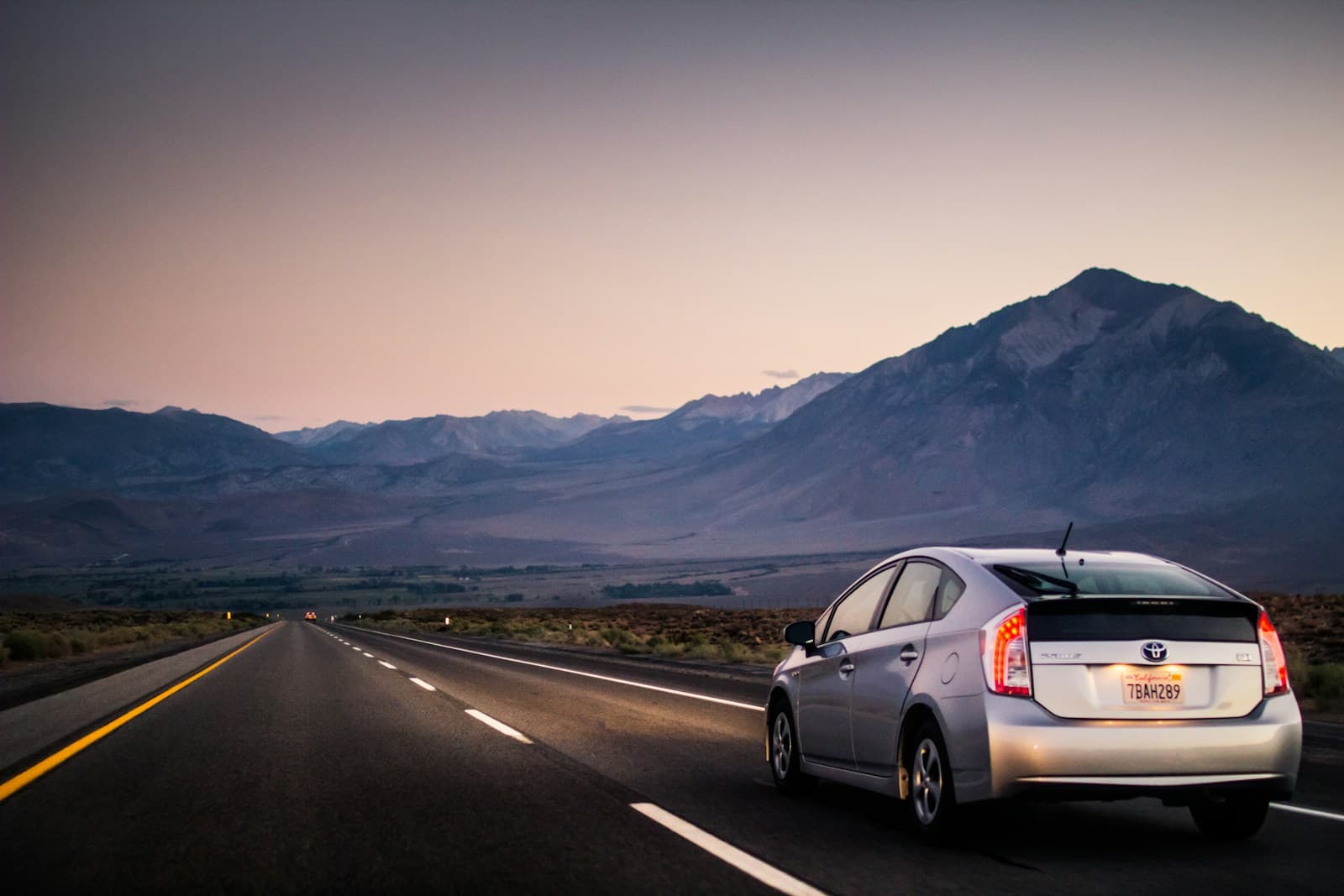



The Full Coverage Question on a Paid-Off Vehicle
Retirees driving a paid-off sedan worth $6,000 face a coverage-fit decision general-audience articles rarely address directly. Collision and comprehensive coverage on that vehicle might cost $400 annually with a $500 deductible. A total-loss claim pays out the actual cash value minus the deductible—in this scenario, $5,500. If the vehicle is not totaled in the next year, you paid $400 for coverage you did not use. If it is totaled, you received $5,500. The math is a pure bet on loss frequency, and for many retirees, dropping collision and comprehensive and banking the $400 annually produces a better outcome over time.
The decision changes when the vehicle is worth $15,000 or the household cannot replace it without financing. A $15,000 vehicle totaled without collision coverage is a $15,000 loss. Many retirees cannot absorb that, and full coverage remains the prudent choice. The threshold is not age-based; it is asset-based. If losing the vehicle would force you to finance a replacement or go without transportation, keep collision and comprehensive. If you could replace it from savings without material strain, the premium savings from dropping those coverages may outweigh the risk.
Medical payments coverage and personal injury protection interact with Medicare in ways that matter for California retirees. Medicare is primary for injury treatment after an accident, meaning it pays first. Medical payments coverage or PIP, when carried on your auto policy, acts as secondary coverage—it pays deductibles, copays, and expenses Medicare does not cover. It does not replace Medicare, and carrying a $5,000 medical payments limit when Medicare already covers most injury treatment is often redundant. If your health insurance and Medicare together leave minimal out-of-pocket exposure, dropping or reducing medical payments coverage saves premium without creating a gap.
California Bodily Injury Minimum Per Person
$30,000
California requires $30,000 per person, $60,000 per accident, and $15,000 property damage as minimum liability limits. Retirees with retirement accounts or home equity should carry higher limits; the minimum does not protect assets beyond that threshold in an at-fault accident.
California auto insurance state minimum liability requirements
How to Confirm the Discount Was Applied
Your renewal notice lists your premium but rarely itemizes each discount by name and dollar amount. To confirm the mature-driver discount was applied, call your carrier or agent directly and ask them to read the discount line items from your policy record. If the mature-driver discount does not appear, ask why. The most common answers: the certificate expired, the course provider was not on their approved list, or the documentation was never submitted. All three are fixable, but only if you identify the gap before the renewal binds.
When comparing carriers, request a quote breakdown showing the mature-driver discount, low-mileage discount if applicable, and any other senior-specific programs they offer. Do not accept a single bottom-line premium figure; ask for the discount structure. Some carriers offer a 10 percent mature-driver discount that stacks with a 15 percent low-mileage discount. Others offer a 12 percent mature-driver discount that does not stack. The stacking rules determine which carrier delivers the lowest net premium for your profile, and you will not see that in a quick online quote.
What To Do Right Now
Call your current carrier. Ask whether you have a mature-driver discount applied to your policy, what percentage it is, and whether it is age-based or course-completion-based. If it is course-based, ask when your certificate expires. If it expired or you never submitted one, ask which course providers they accept and enroll in one before your next renewal. Request a quote projection showing what your premium would be with the discount applied and with a low-mileage or usage-based program added on top of it.
Then call two competitors writing in California—State Farm, GEICO, or Progressive are accessible starting points—and request the same breakdown. Ask for the mature-driver discount percentage, the low-mileage program structure, and whether the two stack. Compare not only the bottom-line premium but the coverage limits, deductibles, and whether collision and comprehensive still make sense on your vehicle. The comparison takes three calls and surfaces gaps you have been paying for without knowing they existed. Make the first call today.