
Why Your Premium Stayed High After You Retired
You stopped commuting five years ago. Your 2016 Honda sits in the garage most of the week. You dropped collision claims to zero and watched your premium creep up anyway. The carrier sends renewal notices showing rate increases tied to territory risk or loss trends, never mentioning the mature-driver discount you qualified for the day you turned 55.
California Insurance Code §11628.3 requires every auto insurer writing in the state to offer a mature-driver discount to operators 55 and older. The statute does not fix the percentage: each carrier sets its own amount and files it with the Department of Insurance. Most do not apply it automatically at renewal. If you never asked, you kept paying the higher rate.
Compare rates from carriers that specialize in senior drivers
Mature driver discounts, low-mileage rates, and coverage reviews — see what you're actually eligible for.
Get Your Free QuoteCalifornia Mature-Driver Age Floor
55+
CA Ins. Code §11628.3 requires insurers to offer the discount starting at age 55, not 65. Many seniors assume eligibility begins at retirement age and leave five to ten years of savings unclaimed.
CA Ins. Code §11628.3
The Discount You Qualified for Years Ago
The law guarantees the offer, not the amount. Some carriers apply a flat age-based reduction the day you turn 55. Others tier the discount by age bracket: a smaller percentage at 55, a larger one at 65, and another step at 75. A third group ties the full discount to completion of a state-approved defensive driving course, offering a smaller age-only reduction without it.
You will not find the percentage on your declarations page unless you asked for it. The statute requires the discount exist in the carrier's filed rate structure. It does not require the carrier to highlight it in marketing, apply it retroactively, or notify you when you age into eligibility. Call your agent or log into your account and ask: what is my current mature-driver discount percentage, and does completing an approved course increase it?
The blocker: you cannot compare what you are actually paying against what you should be paying until each carrier tells you their filed mature-driver percentage and how course completion changes it.
How to Confirm What Your Carrier Actually Applied

Log into your online account or call the number on your declarations page. Ask three questions in this order: what mature-driver discount percentage is currently applied to my policy, what documentation triggered it, and does your company offer a higher percentage if I complete a state-approved defensive driving course. Write down the answers and the date you asked. If the agent cannot answer the second or third question, escalate to underwriting.
If no discount appears and you are 55 or older, ask why. Common answers: the system applies it automatically at the next renewal, or you must submit a copy of your driver license showing your birthdate, or the discount requires course completion and you have not provided a certificate. Each answer changes what you do next. If the agent says your state does not require it, read them the statute citation. California does require it.
Related Articles
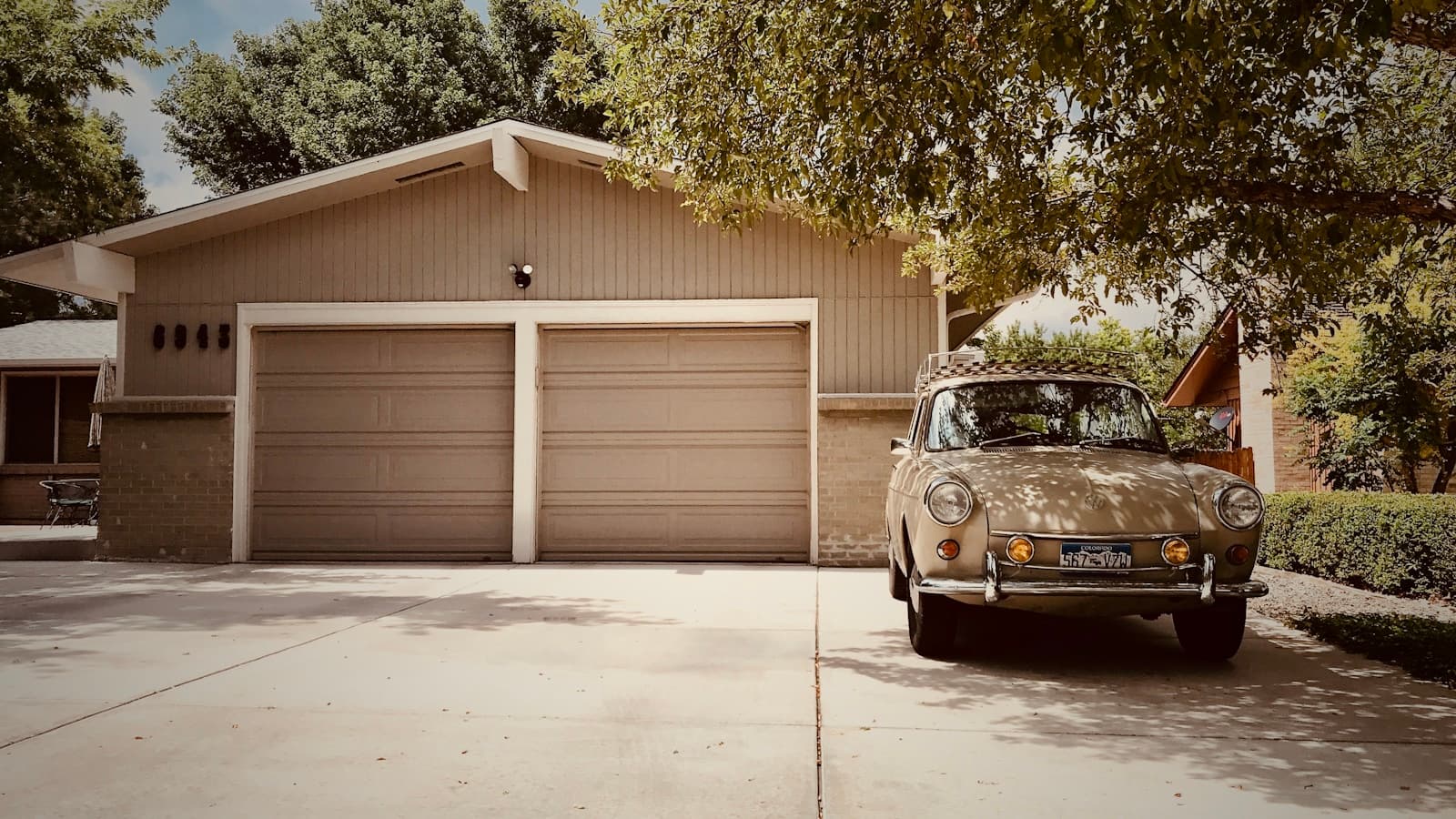




When the Paid-Off Car Changes the Full-Coverage Math
You financed the Honda in 2016, paid it off in 2021, and kept the same collision and comprehensive limits the lender required. The car is worth $8,000 now. Your collision deductible is $500. If you total it tomorrow, the carrier pays $7,500 after the deductible. You have been paying $400 to $600 annually for collision coverage on an asset whose net payout is shrinking every year.
The coverage-fit question turns on whether the annual collision premium exceeds ten percent of the vehicle's current value. Run the math: if your collision premium is $500 and the car is worth $8,000, you are paying 6.25 percent of its value for coverage that pays once. If the premium is $700 on the same car, you cross the threshold. Add comprehensive, and the combined cost often justifies dropping both and banking the annual savings against the replacement you will buy outright when this one fails.
Medicare changes the medical-payments-coverage decision. MedPay and PIP cover medical bills after an accident regardless of fault. Medicare is primary for seniors 65 and older: it pays first, and supplemental coverage fills gaps. If you carry Medicare plus a Medigap or Advantage plan, adding $5,000 of MedPay creates overlap you will rarely use. The exception: you want coverage for a passenger under 65 not covered by Medicare, or you want first-dollar coverage before Medicare's deductible applies. Otherwise, dropping MedPay and reallocating the premium to higher liability limits protects retirement assets better.
California Minimum Property Damage
$15,000
California requires $15,000 in property damage liability, the third component of the 15/30/15 minimum. One at-fault collision with a new pickup exceeds this limit, exposing your retirement savings to a lawsuit for the difference.
California auto_insurance_state_data
Which Carriers in Anaheim Apply Senior Discounts Without a Fight
State Farm and USAA write preferred-tier business in California and both offer mature-driver discounts; State Farm accepts online applications, USAA restricts eligibility to military-affiliated families. GEICO, Progressive, and National General write standard and non-standard policies and confirm mature-driver discounts in their filed California rates; all three allow online quoting. Mercury General and Farmers serve California as home-state carriers and offer mature-driver and low-mileage programs; Mercury requires broker contact for some profiles, Farmers quotes online.
Ask every carrier two questions before you quote: does your mature-driver discount apply automatically at 55 or does it require me to submit documentation, and do you offer a separate or larger discount for completing a state-approved defensive driving course. The answers divide carriers into three groups. Group one applies the age discount automatically once your birthdate is in the system; you see it at the first renewal after you turn 55. Group two requires you to upload proof of age or request the discount manually; it does not appear until you act. Group three offers a base age discount but increases it significantly after course completion; the course certificate must be submitted to the underwriting department and resubmitted when it expires, typically every three years.
Low-mileage and usage-based programs cut premiums for drivers who log fewer than 7,500 annual miles. GEICO offers a low-mileage discount based on your stated annual mileage at quote time. Progressive's Snapshot telematics program monitors actual miles driven and adjusts your rate at each renewal; enrollment is optional and the device plugs into your OBD-II port or runs as a phone app. State Farm's Drive Safe & Save works the same way. If you drove 15,000 miles a year during your working career and now drive 4,000, these programs cut your bill by ten to twenty-five percent depending on the carrier's filed rate structure. The savings amount is set by carrier filing; ask each one what their program pays at your mileage level.
Compare Liability Limits Against What You Own Now
California's 15/30/15 minimum pays $15,000 per person injured, $30,000 per accident, and $15,000 for property damage. One moderate at-fault accident exhausts all three. The injured driver sues for the difference and a judgment attaches to your retirement accounts, your home equity, and any investment assets titled in your name. Liability coverage is the only policy component that protects what you spent decades building.
Raise your limits to 100/300/100 or 250/500/100 and compare the annual premium delta against the asset exposure. If the increase is $150 annually and you own a paid-off home worth $600,000 plus $200,000 in retirement accounts, the coverage earns its cost in one at-fault accident. Umbrella policies add another million in liability coverage for $200 to $400 annually, but they require you to carry underlying auto liability limits of at least 250/500 or 300/500 depending on the carrier. Start with the auto policy liability limits; add the umbrella if the asset exposure justifies it.
Get Three Quotes With Your Actual Profile
Pick three carriers writing in California from the list above. Quote the same liability limits, the same deductibles, and the same annual mileage at each one. Tell them your age, your birthdate, and ask explicitly whether their mature-driver discount is already reflected in the quote or whether you must submit documentation after binding. Write down what each agent says. If one quotes $900 annually and another quotes $1,350 for identical coverage, the difference is filed rate structure and how each carrier prices your age bracket and ZIP code risk, not your driving.
Bind the policy that combines the lowest premium with the coverage limits you decided fit your asset exposure. Submit the mature-driver documentation the day you bind if the carrier requires it. Confirm the discount appears on your first declarations page. If it does not, call underwriting before the first payment clears. Set a calendar reminder for your renewal date and verify the discount persists: some carriers require re-submission of course certificates every three years, and the discount disappears if you miss the window.