
You Drive Less, Your Premium Hasn't Changed
Your mileage dropped from 12,000 miles a year to under 5,000 the day you retired, but your auto insurance premium looks exactly the same as it did when you commuted daily to downtown San Jose. The carrier never asked, the renewal notice didn't mention it, and you assumed the discount would apply automatically once you stopped driving to work. It didn't.
Low-mileage and usage-based programs exist at nearly every carrier writing in California, including State Farm, Geico, Progressive, Mercury General, and Farmers. The problem isn't availability—it's that these programs require you to verify your mileage, opt in explicitly, and in some cases install a tracking device or submit odometer photos. Your carrier will not initiate this conversation at renewal, even if your annual mileage is now a fraction of what it was when you first bought the policy.
Compare rates from carriers that specialize in senior drivers
Mature driver discounts, low-mileage rates, and coverage reviews — see what you're actually eligible for.
Get Your Free QuoteCarriers Writing Low-Mileage Programs in California
25
California's market includes standard, preferred, and non-standard carriers offering mileage-based discounts or usage-based insurance programs. The discount exists, but carriers require proof before applying it—renewals assume last year's usage unless you update them.
California Department of Insurance carrier database and direct carrier program documentation
What Low-Mileage and Usage-Based Programs Actually Require
Low-mileage discounts typically apply when you drive under a threshold—7,500 miles per year is common, though some carriers set it at 5,000 or 10,000. You prove this by submitting odometer readings at policy inception and renewal, uploading photos through the carrier's app, or allowing the carrier to pull odometer data electronically if your vehicle supports it. Some carriers require annual verification; others spot-check.
Usage-based programs go further. State Farm's Drive Safe & Save, Geico's DriveEasy, Progressive's Snapshot, and Nationwide's SmartRide all use telematics—either a plug-in device or a smartphone app—to track mileage, hard braking, acceleration, time of day, and in some cases speed. The programs calculate your discount based on actual driving data collected over an initial measurement period, typically 90 days to six months. After that, the discount applies at renewal and may adjust based on ongoing behavior.
The structural obstacle: these programs are opt-in at every carrier. The renewal process does not trigger enrollment. If you never contact your agent or insurer to request mileage verification or telematics enrollment, you remain rated at the mileage estimate from your original policy application—often 10,000 to 15,000 miles per year, the default assumption for a working adult.
Your current policy still rates you at the mileage you reported when you first applied, possibly a decade ago. Carriers do not automatically reduce your rated mileage when you retire.
How to Verify Mileage and Enroll in a Usage-Based Program
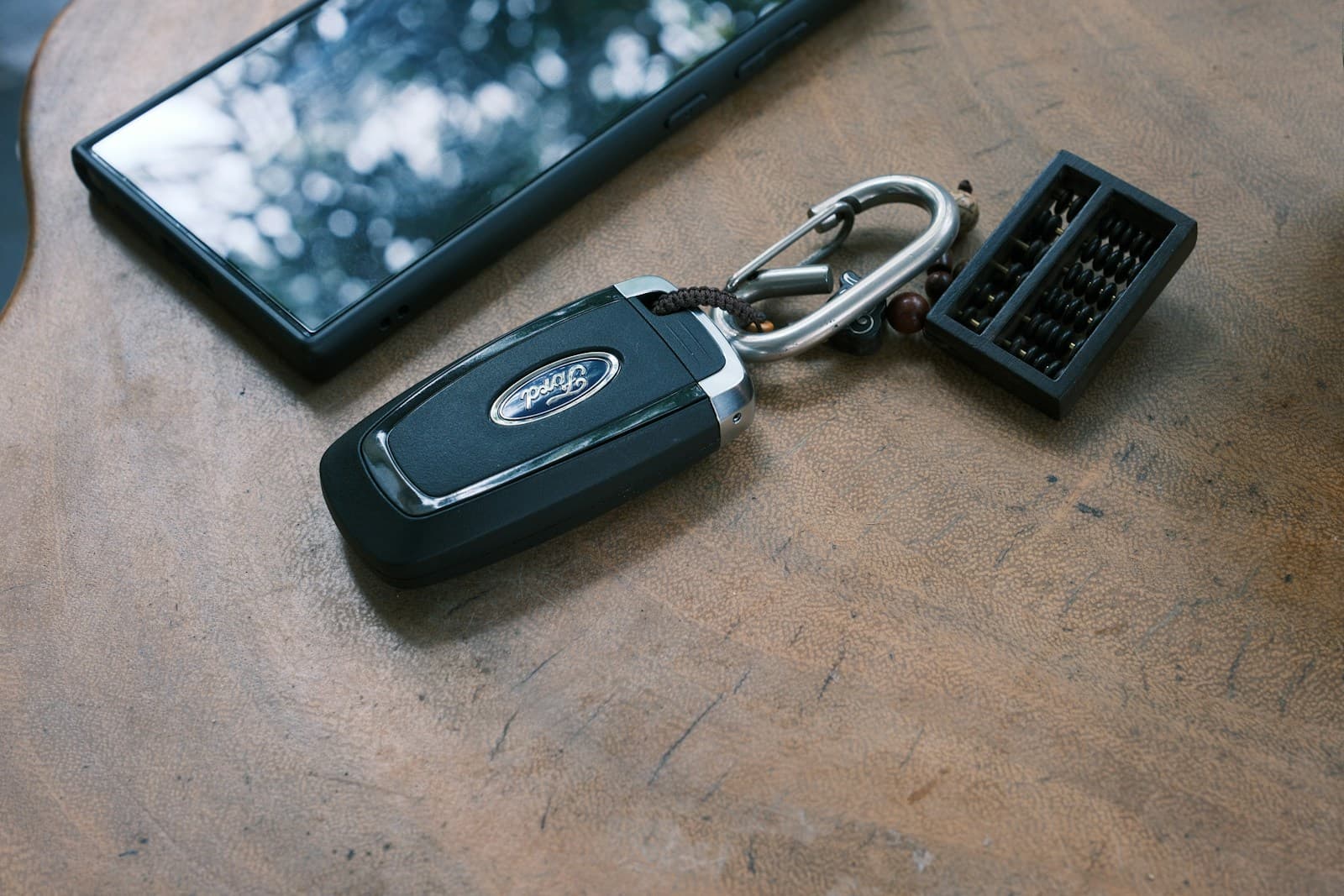
Start by calculating your actual annual mileage. Check your last two smog check receipts or service records—they show odometer readings and dates, allowing you to calculate miles per year. If you drive primarily local errands in San Jose, occasional trips to the peninsula, and no daily commute, you're likely under 5,000 miles annually. Document this figure before contacting your carrier.
Contact your insurer or agent directly and ask two questions: does your carrier offer a low-mileage discount, and does it offer a usage-based program with telematics? Request enrollment in whichever fits your comfort level. Low-mileage discounts require odometer verification but no ongoing tracking. Usage-based programs track behavior and mileage continuously, offering potentially larger discounts but requiring you to accept monitoring. State your annual mileage, submit photos or readings as requested, and confirm the discount will appear at your next renewal.
Related Articles



California Carriers Offering Low-Mileage and Usage-Based Programs
State Farm operates Drive Safe & Save in California, a usage-based program tracking mileage and driving behavior via a mobile app. The program measures an initial period and applies a discount at renewal based on total miles and safe driving patterns. State Farm does not publish the exact discount percentage—it varies by individual performance—but the program explicitly rewards low annual mileage.
Geico offers DriveEasy, an app-based telematics program available statewide. It tracks mileage, braking, acceleration, and time of day. Geico provides an initial participation discount, then adjusts based on measured behavior. Mercury General offers a low-mileage discount for drivers under a stated annual threshold, verified through odometer readings submitted at renewal. Progressive's Snapshot program functions similarly to DriveEasy, using either a plug-in device or app to track driving and calculate individualized discounts.
Nationwide's SmartRide and Farmers Signal programs follow the same telematics model. All of these programs are available to California drivers regardless of age, but retired drivers benefit disproportionately because their mileage is often half or less of the working-age baseline assumption. The discount mechanism exists; the informational gap is that most retirees never learn their carrier offers it unless they ask directly.
California Bodily Injury Minimum Per Person
$15,000
California's minimum liability limit is $15,000 per person, $30,000 per accident, and $5,000 property damage—far below the asset exposure most retirees face. Low-mileage programs reduce your premium, but coverage adequacy remains a separate decision tied to your retirement assets, not your annual miles.
California Insurance Code and Department of Insurance
Why Carriers Don't Apply Low-Mileage Discounts Automatically
Renewal notices restate your existing coverage and premium based on your policy's current rating factors, including the mileage estimate on file. Carriers do not audit odometer readings at renewal unless you're enrolled in a program that requires it. If you reported 12,000 miles per year when you bought the policy in 2010 and never updated it, the 2025 renewal still rates you at 12,000 miles.
This is not an oversight—it's how policy rating works. Annual mileage is a rating factor you declare, not a fact the carrier independently verifies each year. The carrier has no mechanism to know you retired, stopped commuting, or now drive exclusively within San Jose city limits unless you tell them. Low-mileage and usage-based programs exist precisely to allow you to prove reduced usage and capture the discount, but they are structured as voluntary programs requiring affirmative enrollment and verification steps you must initiate.
What to Do Before Your Next Renewal
Calculate your actual annual mileage using service records or smog check receipts from the last 12 to 24 months. If your mileage is materially lower than the figure your carrier has on file—typically the case if you've retired or stopped commuting—contact your agent or insurer at least 30 days before your renewal date. Ask explicitly whether a low-mileage discount or usage-based program is available, state your verified mileage, and request enrollment.
If you're uncomfortable with telematics tracking, ask whether a simple low-mileage discount based on odometer verification is available. Many carriers offer both options. If your current carrier does not offer either program, compare carriers. State Farm, Geico, Progressive, Mercury General, Nationwide, and Farmers all write in California and all operate mileage-based discount programs. A retired driver in San Jose paying for 12,000 rated miles while driving 4,000 is leaving money on the table at renewal after renewal—not because the discount doesn't exist, but because the system requires you to claim it.