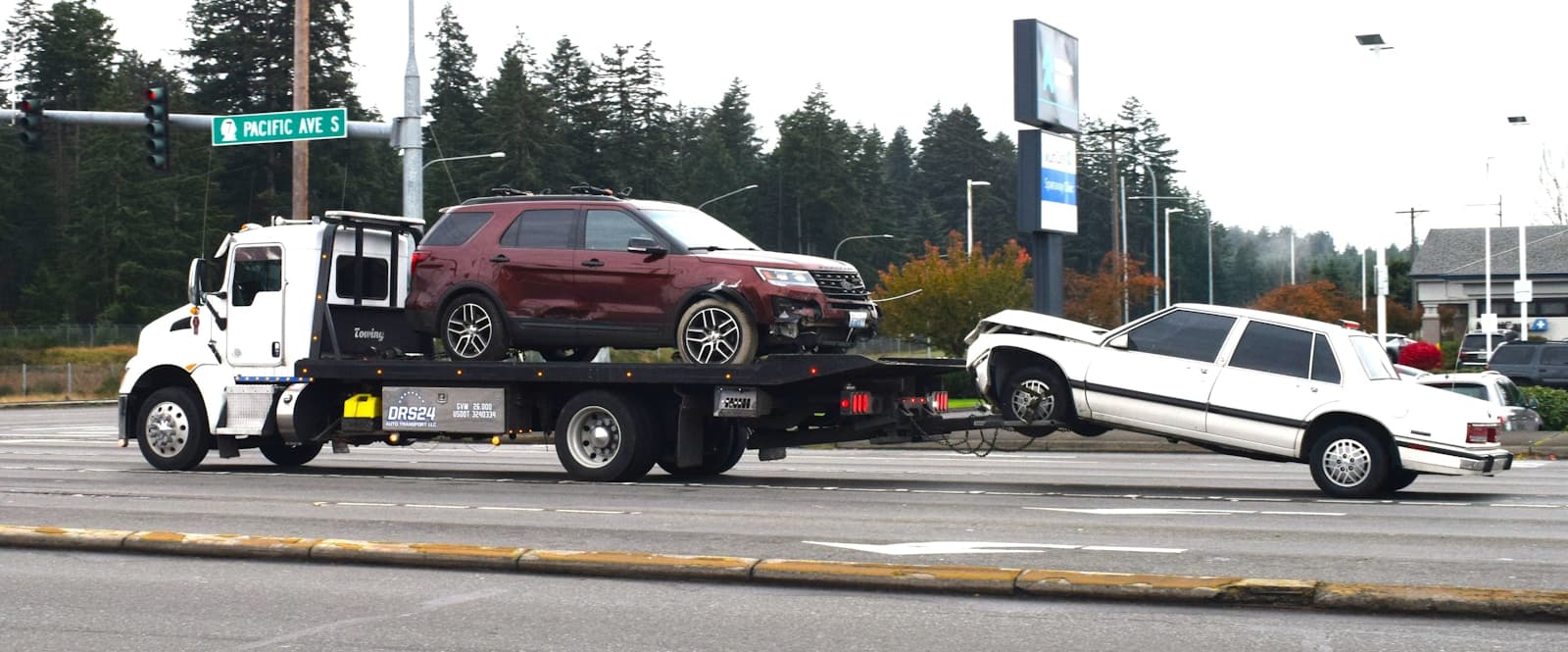
You Removed a Car and Your Bill Didn't Drop
You sold your spouse's sedan or gave your second car to an adult child, filed the removal paperwork with your carrier, and expected a noticeable drop in premium. Instead, your renewal came back at nearly the same monthly cost. You're insuring one vehicle now but paying almost what you paid for two, and the carrier's explanation doesn't add up.
The structural problem is multi-car discount removal without discount reapplication. When you remove a vehicle, your carrier correctly drops the multi-car discount that applied to both cars. But most carriers don't automatically reapply single-vehicle discounts you now qualify for: the mature-driver discount California law requires them to offer, the low-mileage discount for retirees who no longer commute, or usage-based programs that match your reduced driving. You're in a coverage structure built for two cars, paying rates built for two drivers, on a policy covering one lightly driven vehicle.
Compare rates from carriers that specialize in senior drivers
Mature driver discounts, low-mileage rates, and coverage reviews — see what you're actually eligible for.
Get Your Free QuoteCalifornia Mature-Driver Mandate
Age 55+
California Insurance Code §11628.3 requires every insurer writing auto policies in the state to offer a mature-driver discount to operators 55 and older. The statute does not fix the discount percentage; each carrier sets the amount in its filed rates.
CA Ins. Code §11628.3
What Changed When You Removed the Vehicle
Your carrier removed the vehicle from your policy and stripped the multi-car discount that previously reduced both vehicles' premiums. Multi-car discounts typically range from 10 to 25 percent depending on the carrier and the number of vehicles. When you drop from two cars to one, you lose the discount entirely, and your remaining vehicle's base premium returns to its single-vehicle rate.
What most carriers don't do automatically: recalculate your remaining vehicle for single-vehicle discount eligibility. California requires insurers to offer the mature-driver discount, but the statute doesn't require automatic application at policy change. Most carriers apply it only at initial quote, at explicit renewal election, or when you submit a defensive-driving course certificate. If you never requested it before because the multi-car discount was larger, you're now in a structure where you qualify for a discount the carrier hasn't applied.
The low-mileage problem compounds this. Retirees who drove one car to work and kept a second for errands often drove 15,000 to 20,000 combined miles annually when both vehicles were in use. After dropping the second car, annual mileage on the remaining vehicle may fall to 6,000 or 8,000 miles. Your policy still reflects the higher mileage estimate from when you quoted or last renewed, and the carrier won't adjust it unless you report the change.
Your carrier won't automatically reapply mature-driver or low-mileage discounts when you remove a vehicle. You must request recalculation or you'll keep paying multi-car rates on a single lightly driven car.
Requesting Discount Recalculation in California
Contact your carrier or agent directly and state that you removed a vehicle and want your remaining car recalculated for all applicable discounts. Name the mature-driver discount explicitly: California Insurance Code §11628.3 requires insurers to offer it to drivers 55 and older, and you want it applied if it isn't already. Ask whether completion of a state-approved defensive driving course would increase the discount amount, and if so, request the list of approved providers. Most carriers accept courses from AARP, AAA, and the National Safety Council; California does not maintain a single statewide approved-provider list, so the carrier's acceptance determines eligibility.
Report your updated annual mileage on the remaining vehicle. If you previously drove two cars and now drive one, your mileage has dropped. Give your carrier your current odometer reading and your best estimate of annual miles based on your actual driving pattern: errands, medical appointments, occasional longer trips. Most carriers offer low-mileage discounts starting at thresholds between 7,500 and 10,000 miles per year. Ask whether your carrier offers a usage-based program that tracks mileage via a mobile app or plug-in device; these programs can deliver additional discounts for light drivers and often work well for retirees with predictable, low-mileage routines.
Related Articles

Comparing Carriers After a Vehicle Removal
If your current carrier's recalculated premium still feels high after applying available discounts, you're in a natural comparison window. Dropping a vehicle is a policy change that often surfaces better options, particularly with carriers that specialize in senior drivers or light-use vehicles. Your current carrier priced you as a two-car household; another carrier may price you more favorably as a single-vehicle retiree from the start.
In Fresno and across California, carriers writing policies for drivers 55 and older include State Farm, GEICO, Progressive, Allstate, Nationwide, Farmers, CSAA, and Mercury General. All operate in standard or preferred tiers and offer online quotes. GEICO, Progressive, and State Farm all offer mature-driver discounts and low-mileage programs; GEICO and Progressive additionally offer usage-based telematics programs that can stack with mileage-based discounts. CSAA, headquartered in Walnut Creek and serving California broadly, offers mature-driver discounts and tends to price competitively for experienced drivers with clean records.
When comparing, verify that each quote reflects your current single-vehicle status, your actual annual mileage, your age, and whether the mature-driver discount is already included in the quoted rate. Ask each carrier whether completing a defensive driving course would reduce the premium further, and by what mechanism: some apply the discount automatically at age eligibility, others require course completion to unlock the full discount amount. Quotes that don't account for these factors aren't accurate comparisons.
Pay attention to coverage structure as well as price. If your remaining vehicle is paid off and worth less than a few thousand dollars, you may no longer need collision coverage or comprehensive coverage. Liability, uninsured motorist, and medical payments coverage remain critical regardless of vehicle value: California's minimum liability limits are $15,000 per person and $30,000 per accident for bodily injury, but retirement-era assets can be exposed in a serious at-fault accident. Most retirees carry liability limits of $100,000/$300,000 or higher to protect home equity and savings. If you carry Medicare, verify how medical payments coverage coordinates with it; medical payments covers you and your passengers regardless of fault and can fill gaps Medicare doesn't.
California Minimum Bodily Injury Per Person
$15,000
California requires minimum liability limits of $15,000 per person, $30,000 per accident for bodily injury, and $5,000 for property damage. These minimums protect other drivers, not your assets. Retirees with home equity or retirement accounts typically carry $100,000/$300,000 or higher to protect against lawsuit exposure in an at-fault accident.
California DMV Financial Responsibility Requirements
When Your Carrier Won't Budge on Price
Some carriers apply mature-driver discounts only at annual renewal, not mid-term when you remove a vehicle. Others calculate the discount as a percentage of a base rate that increased when you lost the multi-car discount, resulting in a smaller absolute dollar benefit than you expected. If your carrier tells you the mature-driver discount is already applied and your premium still didn't drop meaningfully after removing the second car, the carrier's rate structure may not favor single-vehicle senior households.
You have no obligation to stay with a carrier whose structure doesn't match your current situation. Fresno drivers comparing carriers should focus on those with transparent mature-driver and low-mileage programs: GEICO's online tools show discount eligibility clearly at quote time, Progressive's Snapshot program is widely available and tracks mileage directly, and State Farm agents can walk through discount stacking for single-vehicle retirees in detail. Get quotes from at least three carriers, each reflecting your single-vehicle status, your mileage, and your mature-driver eligibility, before deciding whether to stay or switch.
Request Recalculation Before Your Next Renewal
Contact your current carrier today and request discount recalculation for your remaining vehicle. Name the mature-driver discount and your updated mileage explicitly; the carrier won't apply either unless you ask. If the recalculated premium still exceeds what you're comfortable paying, request quotes from GEICO, Progressive, and State Farm as a senior driver with a single lightly driven vehicle in Fresno. Compare the quoted premiums, verify each includes the mature-driver discount, and confirm coverage limits protect your assets adequately. You dropped a car to lower your costs; make sure your insurance structure reflects that change.