Why Your Premium Didn't Drop When You Sold the Second Car
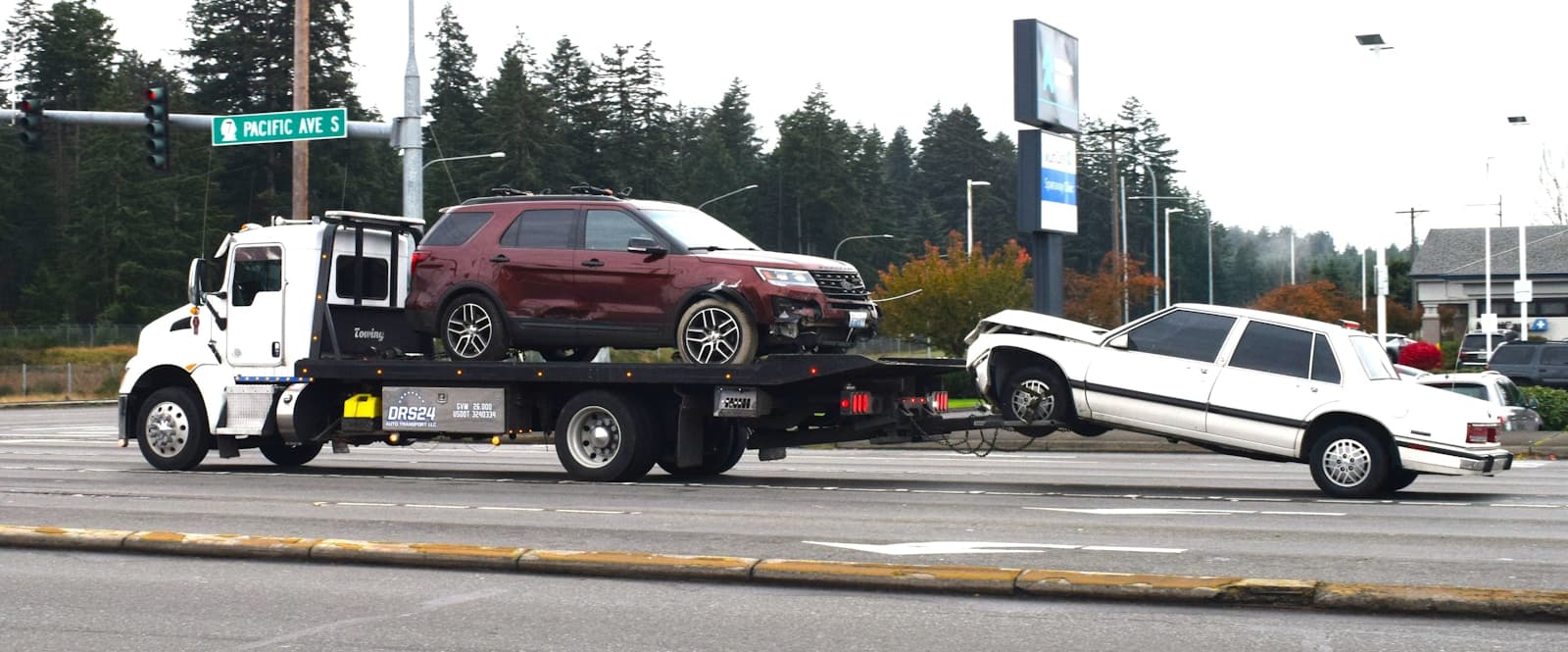
You sold the second car, called your carrier to remove it from the policy, and waited for the refund check or the renewal notice showing a significantly lower premium. Instead, the premium dropped by less than half what you expected, or in some cases barely moved at all. The multi-car discount you were receiving applied to both vehicles proportionally, so removing one car didn't cut your total premium in half—it removed the discount structure that was lowering the rate on the car you kept.
This is the moment many Santa Ana retirees realize the multi-car discount was doing more work than they thought, and the single-car rate their carrier now applies doesn't account for the fact that they're driving half the annual mileage they used to. The rate structure still prices you as if you're commuting daily, because your carrier's underwriting file hasn't been updated to reflect your actual use. California law gives you leverage here that most agents will never bring up at renewal: a state-mandated mature-driver discount and access to low-mileage programs that often recover more savings than the multi-car rate you just lost.
Compare rates from carriers that specialize in senior drivers
Mature driver discounts, low-mileage rates, and coverage reviews — see what you're actually eligible for.
Get Your Free QuoteCalifornia Mature-Driver Discount Age
55+
California Insurance Code §11628.3 requires every insurer writing auto coverage in the state to offer a discount to drivers 55 and older. The statute does not fix the percentage—each carrier sets its own amount by filing—but the discount is not optional for insurers to offer.
CA Ins. Code §11628.3
The Discount You Lost and the Two You Probably Aren't Getting
The multi-car discount typically ranges from 10% to 25% depending on the carrier, applied across both vehicles but weighted more heavily toward the higher-premium car. When you drop to one vehicle, that discount disappears entirely. Your carrier reprices the remaining car at its standalone rate, and unless you or your agent explicitly request a rate review, the underwriting file continues to use the mileage estimate, commute status, and usage profile from when you were driving two cars.
California requires insurers to offer a mature-driver discount to policyholders 55 and older, but the law does not require automatic application. If you have never submitted proof of age or completion of a state-approved defensive driving course, the discount has likely never been applied to your policy. The second gap is mileage: most carriers offer low-mileage discounts or usage-based programs that significantly reduce premiums for drivers logging under 7,500 miles per year, but these programs require enrollment. Your file still reflects your working-era estimate unless you update it.
The combination of these two gaps explains why dropping a second car didn't produce the savings you expected. Your rate went up in relative terms because the multi-car structure was removed, and the two discounts that apply specifically to your current situation—mature driver and low mileage—were never activated.
Your carrier will not automatically apply the mature-driver discount at renewal, even though California law requires them to offer it. You must request it and, in most cases, submit documentation.
How to Trigger the Mature-Driver Discount in California

Call your carrier or log into your account portal and ask explicitly whether the mature-driver discount has been applied to your policy. If it has not, ask what documentation they require: some accept proof of age alone, while others require completion of a state-approved defensive driving or mature-driver improvement course. California does not maintain a single statewide list of approved courses, but most carriers accept courses certified by the DMV, AARP, or the National Safety Council. Confirm the specific provider your carrier will accept before enrolling, because course fees are non-refundable and a certificate from an unapproved provider will be rejected.
Once you complete the course, submit the certificate to your carrier by the method they specify—mail, email, or portal upload—and request confirmation in writing that the discount has been applied. The discount amount is set by each carrier's filed rates, so the percentage will vary. If your carrier applies the discount but does not specify the amount, call back and ask for the exact percentage reflected in your premium calculation. This figure should appear on your next declaration page. If it does not, or if the timeline for application is vague, request a revised dec page showing the discount line item before your renewal date passes.
Related Articles


Low-Mileage and Usage-Based Programs for One-Car Households
Dropping to one car usually cuts household mileage significantly, especially for retirees who no longer commute. Most California insurers offer low-mileage discounts for drivers logging fewer than 7,500 miles annually, and several operate usage-based programs that track mileage via a plug-in device or smartphone app. These programs often deliver larger premium reductions than the multi-car discount you lost, but they require explicit enrollment and periodic mileage verification.
Progressive, State Farm, Allstate, and Geico all write policies in California and offer telematics or low-mileage options. The structure varies: some programs offer an upfront discount based on your estimated annual mileage, with annual odometer verification required to maintain it. Others use real-time tracking and adjust your rate every six months based on actual miles driven. If you drive under 5,000 miles per year, the usage-based programs typically produce the largest reduction, but they require you to accept device installation or app-based location tracking.
The failure mode here is the same as the mature-driver discount: your carrier will not enroll you automatically. Your policy file still reflects the mileage estimate from when you were driving two vehicles and commuting daily. Call your carrier, provide your current annual mileage estimate, and ask whether a low-mileage discount or usage-based program applies. If they offer both, ask for a premium comparison assuming your actual mileage. The difference between a standard rate and a verified low-mileage rate on a single vehicle often exceeds the multi-car discount you gave up.
Low-Mileage Threshold (Annual Miles)
7,500
Most California insurers set their low-mileage discount eligibility threshold between 7,000 and 7,500 annual miles. Drivers below this figure qualify for reduced premiums, but the discount is not applied unless you provide an updated mileage estimate and request enrollment in the program.
Carrier program documentation (Progressive, State Farm, Allstate)
When Full Coverage No Longer Earns Its Cost
The second car was often newer or financed, which required comprehensive and collision coverage. The car you kept may be older, paid off, and worth significantly less. If the vehicle's current market value is under $4,000 and your annual premium for comp and collision combined exceeds $800, you are paying more over two years than a total-loss claim would return. This is the point at which dropping to liability-only coverage makes financial sense for many retirees.
Run the math: check your vehicle's actual cash value using Kelley Blue Book or a similar tool, then compare it to your annual comp and collision premium. If the premium exceeds 20% of the vehicle's value, you are effectively self-insuring at a high cost. Dropping comp and collision and setting aside the premium savings in a dedicated account often leaves you better positioned to replace the vehicle if it's totaled or stolen. The risk you're managing is the same, but you're no longer paying the carrier's margin on top of it.
Compare Carriers That Handle Single-Car Senior Policies Well
Not all carriers price single-car senior policies the same way, and the carrier that gave you the best rate as a two-car household may not be competitive now. State Farm and USAA both offer mature-driver and low-mileage discounts in California and allow online quoting for seniors. Mercury General, CSAA, and Auto Club Enterprises write significant volume in Santa Ana and Orange County and maintain competitive programs for retirees, though quote availability varies by carrier. Progressive and Geico offer usage-based programs that work well for low-mileage drivers, but their base rates for seniors can be higher than regional carriers unless the telematics discount is large.
Request quotes from at least three carriers, provide your actual annual mileage, confirm your age and course-completion status, and ask each carrier to apply every discount you qualify for before they generate the quote. The goal is an apples-to-apples comparison of the mature-driver discount amount, the low-mileage program structure, and the base rate for the coverage limits you actually need. If a carrier requires a phone call or agent appointment to quote, make the call—the regional carriers that don't offer instant online quotes often deliver the most competitive rates for Santa Ana retirees.
Your current carrier may match or beat the competing quote if you call retention before canceling, but only after you have a written quote in hand from another insurer. Loyalty pricing works against you in this market; the savings come from demonstrating you're willing to move.