Updated July 2026
What Is Uninsured Motorist Coverage Insurance?
Uninsured Motorist Coverage steps in when the at-fault driver has no liability insurance or can't be identified after a hit-and-run. It comes in two parts: bodily injury coverage pays your medical bills, lost wages, and pain and suffering up to your policy limits, while property damage coverage repairs or replaces your vehicle. California law requires every carrier to offer both components at limits matching your liability coverage, but you can decline either or both by signing a written rejection form.
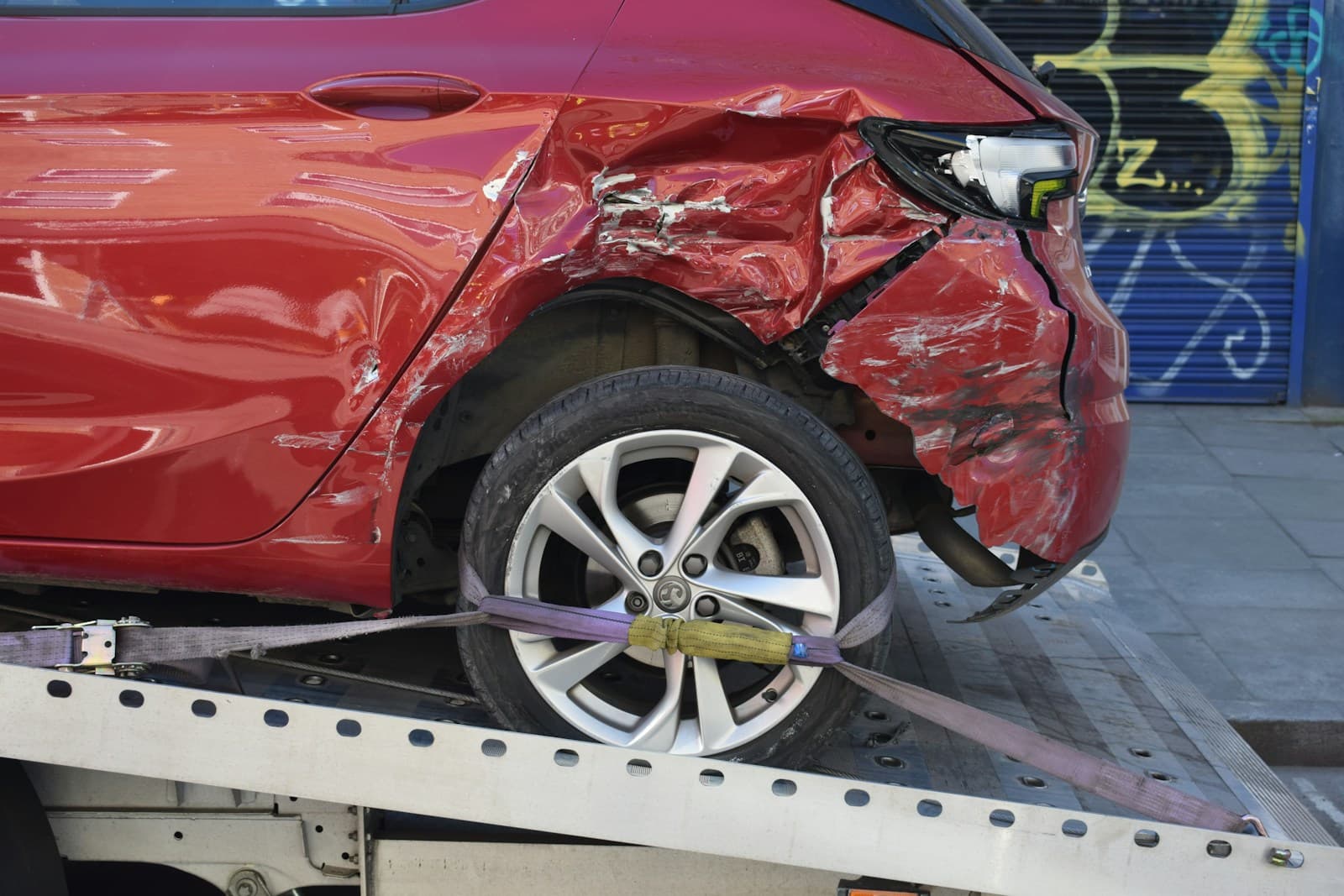
- A driver merges into your lane on Highway 101 near San Jose, sideswiping your door and quarter panel, then speeds away. You file a police report within 24 hours but the driver is never found. Your uninsured motorist property damage coverage pays the $4,200 repair bill minus your $250 deductible, because hit-and-run incidents qualify when you report them promptly and have no physical contact information for the other driver.
- You're stopped at a red light in Fresno when a pickup truck rear-ends you at 35 mph. The other driver admits he let his insurance lapse two months ago. You have $8,500 in medical bills from three months of physical therapy, and your car needs $6,800 in repairs. Your uninsured motorist bodily injury coverage pays the medical bills up to your selected limit, and the property damage portion covers the vehicle repairs minus your deductible.
- A driver runs a stop sign in Sacramento and T-bones your sedan. Police confirm her insurance card shows a policy that expired 60 days earlier. Your injuries total $12,000 and your 2018 Honda Accord is totaled at $14,500. If you carry $15,000 per person uninsured motorist bodily injury and $3,500 property damage limits, you receive the full $12,000 for medical costs but only $3,500 toward the vehicle loss — the property damage portion pays up to its stated limit, not the full value of your car.
Who Needs Uninsured Motorist Coverage Insurance?
Retirees with assets worth protecting should carry uninsured motorist bodily injury coverage at limits high enough to cover serious injuries — $100,000 per person or more — because Medicare pays your medical bills but won't recover your out-of-pocket costs, lost income, or pain and suffering from an uninsured driver. Property damage coverage makes sense if your car is worth more than twice the deductible and you don't carry collision coverage, since it's often your only way to recover vehicle repair costs when the at-fault driver has no insurance.
Compare your uninsured motorist bodily injury limit to your potential out-of-pocket loss in a serious accident caused by someone with no insurance — if you'd face financial hardship from $50,000 in uncovered medical, vehicle, and recovery costs, carry at least that amount in coverage. For the property damage portion, calculate whether your car's value minus the collision deductible you already pay exceeds the uninsured motorist property damage deductible — if so, skip it; if not, or if you don't carry collision, add it.
How Much Does Uninsured Motorist Coverage Insurance Cost?
Uninsured motorist coverage typically adds $8 to $18 per month to your premium for combined bodily injury and property damage protection, or approximately $95 to $215 annually.
- Your selected bodily injury limits — higher limits matching $100,000 per person instead of the state minimum $15,000 increase the premium proportionally.
- Whether you include property damage coverage or decline it in writing — bodily injury alone costs less than the combined package.
- Your county's uninsured driver rate — Los Angeles and Fresno counties carry higher uninsured motorist rates than suburban coastal areas, increasing premiums.
- Your driving record and claims history — carriers price this coverage higher for drivers with prior at-fault accidents, even though the coverage pays when you're not at fault.
- The deductible you choose for property damage coverage — a $500 deductible costs less per month than a $250 deductible.
- Your carrier's experience with uninsured motorist claims in California — carriers who pay more hit-and-run and uninsured driver claims price this coverage more aggressively.