
When Full Coverage Became Optional
Your lender required full coverage when you financed the car. You paid it off three years ago, your odometer now turns maybe 4,000 miles a year on grocery runs and medical appointments, and your six-month premium notice still shows comprehensive and collision as if nothing changed. The coverage stayed because no one prompted you to remove it, and your carrier has zero financial incentive to suggest dropping a line item you have paid for two decades.
The decision you face now is whether collision and comprehensive still earn their cost once the loan obligation is gone and the car's replacement value has dropped. That decision turns on math your agent will not walk you through: the vehicle's current market value, your deductible, and the annual premium those two coverages add to your bill. Most Oakland retirees discover they have been paying $600 to $900 annually to insure a car worth $4,000 to $7,000 against damage whose out-of-pocket cost would be lower than three years of premiums.
Compare rates from carriers that specialize in senior drivers
Mature driver discounts, low-mileage rates, and coverage reviews — see what you're actually eligible for.
Get Your Free QuoteCalifornia Liability Floor Per Person
$25,000
California requires $25,000 bodily injury per person, $50,000 per accident, and $15,000 property damage as the liability minimum. Dropping collision and comprehensive does not reduce this requirement; liability coverage remains mandatory regardless of your vehicle's age or value.
California Insurance Code
What Full Coverage Actually Protects
Full coverage is shorthand for a policy carrying comprehensive, collision, and liability together. Comprehensive pays for non-collision damage: theft, vandalism, fire, hail, hitting a deer. Collision pays for accident damage to your car regardless of fault. Liability pays for damage and injury you cause to others. The lender required the first two to protect their collateral interest while you owed money on the vehicle. Once the title is yours, that requirement disappears.
Liability remains mandatory under California law whether your car is paid off or not. You cannot drop it. The coverage-fit question is whether comprehensive and collision still justify their cost once no one holds a lien and the car's replacement value has declined to the point where self-insuring the risk costs less than the premium. That threshold sits somewhere between the deductible and three years of combined comp-and-collision premiums, depending on your risk tolerance and liquid reserves.
Your carrier will not prompt you to drop coverage when the car is paid off. The decision to remove comprehensive and collision is entirely yours, and most retirees keep paying simply because no one framed the math.
The Breakeven Calculation Oakland Retirees Miss
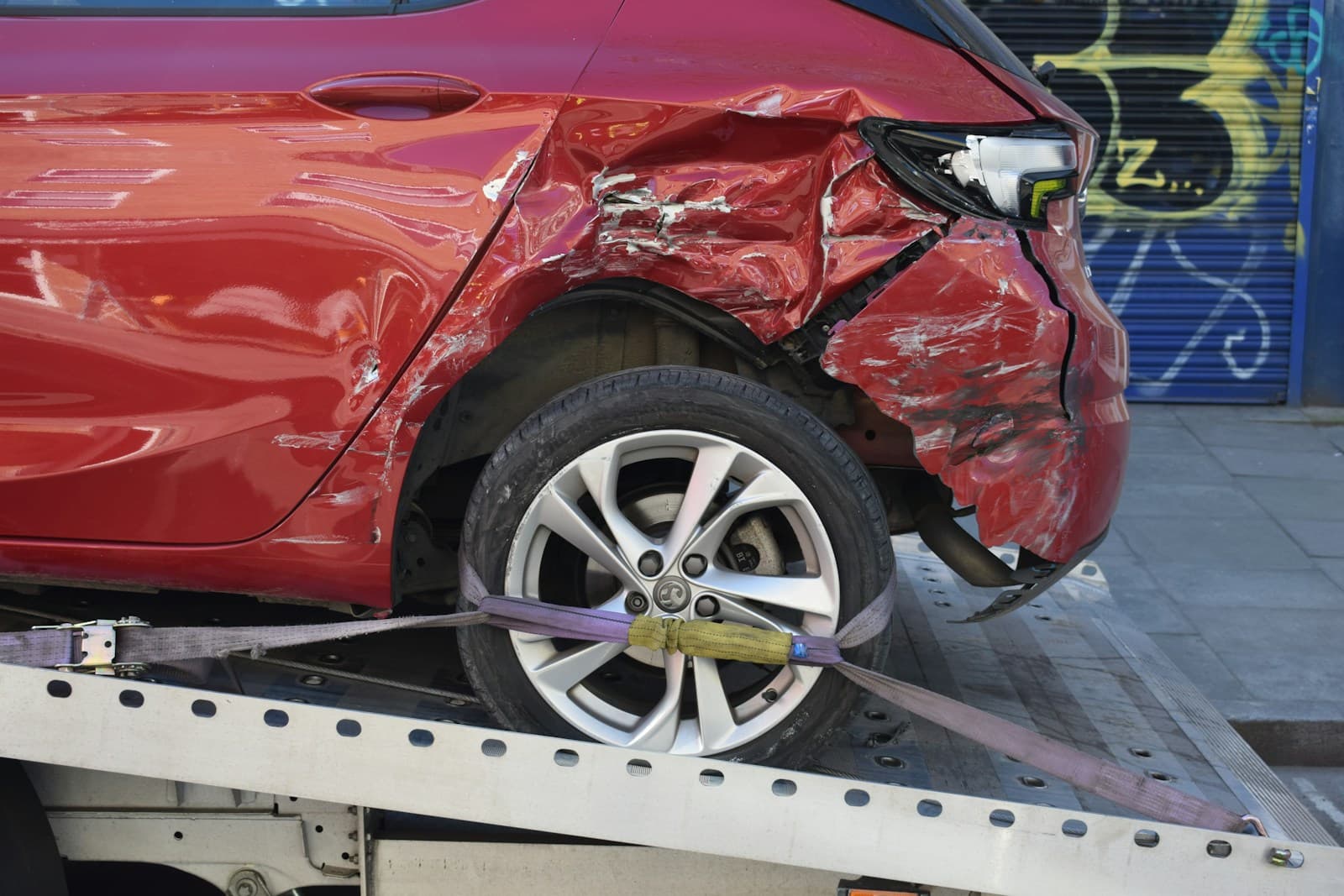
Pull your most recent renewal declaration page and find the six-month premium for comprehensive and collision. Double it to get the annual cost. Most Oakland retirees driving paid-off sedans or small SUVs from 2012 to 2017 pay $300 to $450 per six months for these two coverages combined, which works out to $600 to $900 annually. Now check your car's current private-party value on Kelley Blue Book or Edmunds. A 2015 Honda Accord or Toyota Camry with typical mileage sits around $9,000 to $12,000 in the Oakland market as of early 2025; older or higher-mileage vehicles drop to $5,000 to $8,000.
Subtract your collision deductible (commonly $500 or $1,000) from the vehicle's current value. If the result is less than three times your annual comp-and-collision premium, you are paying more over three years to insure the car than you would spend replacing it out of pocket after one total-loss event. That is the structural threshold where liability-only begins to cost less than full coverage for someone with liquid reserves to self-insure the vehicle replacement risk.
Related Articles



How Oakland Driving Patterns Change the Math
Collision risk scales with exposure: the more miles you drive and the denser the traffic you drive through, the higher the probability of an at-fault accident. Oakland retirees who no longer commute to San Francisco or navigate I-880 during weekday peaks have materially lower collision exposure than they did five years ago, but the premium often does not adjust to reflect the mileage drop unless you affirmatively report it and request a low-mileage discount.
Comprehensive risk is less sensitive to mileage but responds to where the car is garaged and how it is used. If your car sits in a private garage in the Oakland hills and drives only to medical appointments and weekend errands, theft and vandalism risk is lower than it was when you parked on a downtown street five days a week. Some carriers offer usage-based or low-mileage programs that reduce premiums when annual mileage drops below 7,500 or 5,000 miles; others do not adjust at all unless you switch to a stated-mileage or pay-per-mile product.
The mileage disclosure you gave your carrier three years ago is still on file, and it probably reflects your working-era driving pattern. Call your agent, report your current annual mileage, and ask whether a mileage-based discount applies. If your carrier does not offer one and your mileage is now under 5,000 miles per year, compare what specialty low-mileage carriers writing in California would charge for the same liability limits with comprehensive and collision removed.
California law requires insurers to offer a mature-driver discount to policyholders 55 and older, but the statute does not fix the percentage. Each carrier sets its own amount by filing, and most do not apply it automatically at renewal. If you completed a state-approved defensive driving course and never submitted the certificate, you are paying the higher rate. If you submitted it years ago and the certificate expired, the discount likely lapsed at your last renewal without notice. Confirm with your agent whether the discount is active, when the certificate expires, and whether re-enrollment is required to maintain it.
Carriers Writing Oakland Auto Policies
25
At least 25 carriers write personal auto policies in California and serve Oakland residents, including standard-market names and non-standard specialists. Not all offer equivalent mature-driver, low-mileage, or usage-based programs, so comparing three to five carriers on identical liability limits with and without comp-collision produces the clearest cost picture.
California Department of Insurance
What Happens When You Drop Comprehensive and Collision
Removing comprehensive and collision leaves you with liability-only coverage. You remain fully insured for damage and injury you cause to others, which is what California law requires and what protects your retirement assets in an at-fault accident. You are no longer insured for damage to your own vehicle, whether from collision, theft, vandalism, or weather. If your car is totaled or stolen, you replace it out of pocket or do without.
That tradeoff makes sense when the vehicle's replacement cost is low enough that self-insuring it costs less than three to five years of comp-and-collision premiums. It makes less sense if the car is your only vehicle, you lack liquid reserves to replace it, or losing it would eliminate your ability to reach medical appointments, grocery stores, or family. The coverage-fit decision is about liquidity and replacement need, not age or driving ability.
If you drop comp and collision mid-term, most carriers prorate the refund and issue a credit at your next renewal. The reduction in premium is immediate. You can restore the coverages at any renewal if your vehicle situation changes; removing them is not a permanent election. Some retirees keep comprehensive alone and drop only collision, which covers theft and vandalism but not accident damage, reducing premium less but preserving some vehicle protection. Ask your agent to quote all three structures: full coverage, liability plus comprehensive, and liability only.
Compare Before You Drop
Request quotes from at least three carriers writing in Oakland on identical liability limits with comprehensive and collision included, then request the same limits with those coverages removed. The premium difference is the annual cost of insuring your vehicle against damage and theft. Compare that cost to the vehicle's current market value minus your deductible. If the cost exceeds one-third of the net value, liability-only is almost certainly cheaper over any three-year window unless your driving record or accident history changes materially.
When comparing carriers, confirm which offer mature-driver discounts tied to defensive driving course completion and which offer low-mileage or usage-based programs for drivers under 7,500 annual miles. Not all standard carriers serve both needs well. Some non-standard or direct-to-consumer carriers writing in California specialize in low-mileage policies and produce lower liability-only premiums than legacy full-service carriers whose pricing models assume higher annual mileage and broader coverage.
Your Next Step
Pull your current declaration page and identify the six-month cost of comprehensive and collision combined. Look up your car's current private-party value using its VIN on Kelley Blue Book or Edmunds. Subtract your deductible from that value, then compare the result to three years of comp-and-collision premiums. If the premiums exceed the net replacement cost, request quotes from three Oakland-area carriers on liability-only coverage at limits matching or exceeding your current policy. Ask each whether they offer a mature-driver discount and what documentation they require to apply it. Compare the annual savings to the out-of-pocket risk of replacing the car yourself, and make the call that fits your liquidity and replacement need.