
You Own the Car but Still Pay for Both Sides of the Accident
You haven't made a car payment in three years. Your daily drive is errands and appointments, not a Bay Area commute. But your auto insurance premium still reflects the full-coverage structure you carried when the vehicle was financed, and the collision and comprehensive portions together consume 40–60% of that total. Nothing about your policy changed at the loan payoff, because carriers don't recalculate coverage automatically when a lien releases.
The decision whether to keep full coverage on a paid-off vehicle is a calculation you control, not an industry standard or a coverage mandate. California requires liability insurance to cover harm you cause others; it does not require you to insure your own vehicle against physical damage. What made sense when the car was new and financed is a fresh question now that you own it outright and drive a fraction of the miles you once did.
Compare rates from carriers that specialize in senior drivers
Mature driver discounts, low-mileage rates, and coverage reviews — see what you're actually eligible for.
Get Your Free QuoteCalifornia Property Damage Minimum
$15,000
California's minimum liability limit covers damage your vehicle causes to another person's property. This floor protects others, not your own car. Collision and comprehensive are the coverage types that repair or replace your vehicle after an accident or other loss, and neither is legally required once a lien no longer compels them.
California Insurance Code; state minimum liability statute
What Full Coverage Actually Covers and What It Costs
Collision coverage pays to repair or replace your vehicle after an accident you cause or a crash where the other driver has no insurance or insufficient limits. Comprehensive coverage pays for theft, vandalism, fire, flood, hail, glass breakage, and animal strikes. Both coverages pay up to your vehicle's actual cash value minus your deductible, regardless of repair cost. If your car is worth $6,000 and you carry a $1,000 deductible, the maximum payout from either coverage is $5,000.
The premium for collision and comprehensive does not scale down as your vehicle ages and depreciates. A $500 comprehensive premium on a $25,000 vehicle often remains $400–$450 when that vehicle is worth $8,000 three years later. The coverage protects a shrinking asset at a rate that declines far more slowly than the asset's value, creating a premium-to-value ratio that worsens every renewal cycle.
Liability coverage continues to make sense at any vehicle value because it protects your retirement assets from a lawsuit after an at-fault accident. Liability insurance in California should exceed the state minimum when you own a home, hold retirement accounts, or have other assets a judgment could reach. The full-coverage question is narrow: does paying to insure your own vehicle's physical damage still justify the cost when you could instead self-insure and bank the premium difference?
The blocker is informational: you lack your vehicle's current actual cash value and the annual cost of collision and comprehensive together, two figures your renewal notice may not break out separately but your carrier can provide on request.
The Vehicle-Value Threshold Where Dropping Makes Sense
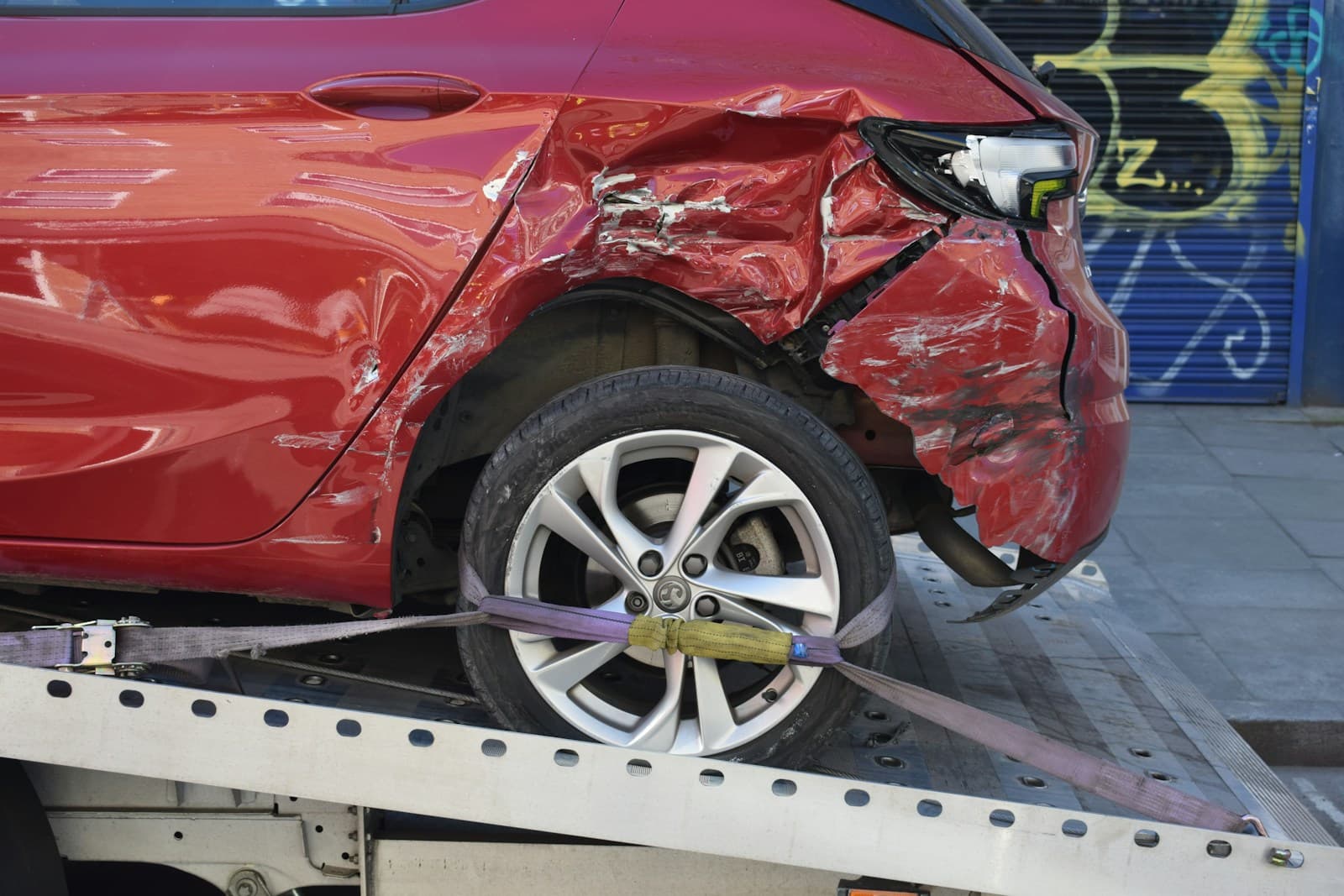
Contact your carrier or agent and ask for two numbers: your vehicle's actual cash value as the carrier currently values it, and your annual collision and comprehensive premium as a combined total excluding liability, medical payments, and uninsured motorist coverage. Divide the annual premium by the vehicle value. If the result exceeds 0.10, you're paying more than ten cents per dollar of coverage, a ratio at which the cost of insuring the asset approaches the likelihood of a total-loss claim for most drivers with clean records.
A 2015 sedan worth $7,500 with a combined collision and comprehensive annual premium of $900 crosses that threshold: $900 divided by $7,500 is 0.12, or 12%. If you drive that vehicle another three years without a claim, you will have paid $2,700 in premiums to protect an asset whose value declined further during that period. The calculation shifts when your driving profile, neighborhood theft rates, or financial reserves change, but the 10% heuristic offers a concrete starting point for a decision your carrier will never prompt you to make.
Related Articles


What Changes When You Drop and What Stays the Same
Dropping collision and comprehensive leaves your liability, medical payments, and uninsured motorist coverages unchanged. You remain fully insured for harm you cause others, for your own medical bills after an accident, and for crashes where the other driver carries no insurance or flees the scene. What you lose is the carrier's obligation to repair or replace your vehicle after an accident you cause, a theft, or damage from weather, vandalism, or an animal strike.
You also lose access to collision coverage in crashes where the other driver is at fault but uninsured or underinsured and your uninsured motorist property damage coverage does not fully cover your loss. California does not require uninsured motorist property damage as part of the liability minimum, and some policies exclude it or cap it below collision limits. Verify what your policy actually covers before dropping collision, particularly if you drive in areas where uninsured-motorist rates run high.
The premium reduction from dropping both coverages is immediate and appears at your next renewal or mid-term if you request the change before the renewal date. Most California carriers allow mid-term coverage reductions without penalty; increases or additions may trigger underwriting review, but removing optional physical-damage coverage does not. Request the change in writing or through your carrier's online portal, confirm the new premium in writing, and verify that liability limits remain unchanged on the revised declarations page.
One failure mode: dropping collision and comprehensive, then filing a liability-only claim after an accident, and discovering your liability limits were inadvertently reduced during the policy change. This is rare but not impossible when changes are processed manually. Check every coverage line on your revised dec page the day it arrives, not weeks later when a claim surfaces the error.
Carriers Writing in California
25
Twenty-five carriers confirmed writing auto insurance in California include standard, preferred, and non-standard market tiers. Not all offer identical mature-driver or low-mileage discounts, and not all make senior-friendly underwriting decisions on liability-only or reduced-coverage policies. Comparing carriers after dropping full coverage can surface a lower base rate that offsets part of the uninsured risk you now carry.
Verified carrier list via state licensing and NAIC filings
Low-Mileage and Usage-Based Programs After Dropping Full Coverage
Many retirees assume usage-based or low-mileage programs require comprehensive and collision coverage to enroll. Most California carriers offering these programs do not impose that restriction; the telematics device or mileage verification tracks liability risk, not physical-damage risk. GEICO, Progressive, Nationwide, and State Farm all allow liability-only policies to participate in their mileage-tracking programs, though the discount magnitude may differ from full-coverage participants because the base premium is smaller.
A low-mileage program that reduces your liability premium by 15–20% becomes more valuable after you drop collision and comprehensive, because liability now represents a larger share of your total bill. If your annual premium was $1,200 with full coverage and $650 after dropping physical damage, a 20% mileage discount applies to the $650 base and saves you $130 annually instead of $240, but the savings as a percentage of your new smaller premium remains significant. Enrollment in these programs typically requires odometer verification or a plug-in device; ask your carrier whether your current policy qualifies and whether dropping collision affects eligibility.
Medicare and Medical Payments Coverage Interaction
Dropping collision and comprehensive does not affect medical payments coverage, but retirees on Medicare often question whether med pay still justifies its cost once Medicare becomes the primary health insurer. Medicare Part B covers injuries from car accidents as secondary payer when auto medical payments or personal injury protection exists; when no auto medical coverage applies, Medicare pays as primary. The coordination-of-benefits rules mean med pay covers costs Medicare does not: deductibles, coinsurance, and expenses Medicare excludes, such as transportation and some therapy categories.
A $5,000 medical payments coverage endorsement typically adds $40–$80 annually to a California auto policy, a modest cost for gap coverage that keeps out-of-pocket accident-related medical costs predictable. If you carry a Medicare Supplement (Medigap) plan that already covers Part B deductibles and coinsurance, the overlap reduces med pay's value but does not eliminate it, because Medigap does not cover passengers in your vehicle and med pay does. Evaluate this coverage separately from the full-coverage decision; many retirees retain med pay after dropping collision and comprehensive.
Compare Carriers With Your New Coverage Profile
Your current carrier priced your policy when you carried full coverage on a financed vehicle and drove commuter miles. That rate reflects assumptions no longer true, and some carriers penalize liability-only policies with higher base rates or exclude them from discount programs, while others treat reduced-coverage senior drivers as a preferred segment. California insurers are required by law to offer a mature-driver discount to operators age 55 and older; the percentage is set by each insurer's filed rates, not fixed by statute, and the amount varies significantly across carriers.
Request quotes from at least three carriers writing in California that confirm they offer mature-driver discounts and accept low-mileage or usage-based enrollment on liability-only policies. Verify that each quote reflects your actual annual mileage, your completion of a state-approved mature-driver course if applicable, and any multi-policy or paid-in-full discounts your current carrier applies. The coverage profile to compare is liability at limits that protect your assets, uninsured motorist matching those limits, and medical payments at a level that fills Medicare's gaps. Compare that total against your current liability-only premium after dropping collision and comprehensive, not against your old full-coverage rate.