
The Renewal Decision Nobody Prepared You For
You made the final car payment three years ago. Your 2016 Camry sits in the garage most days now that the commute is gone. You drive to the grocery store, the clinic, maybe a weekend trip to see family. The odometer rolls over 4,000 miles a year, sometimes less. Then the renewal notice arrives with collision and comprehensive still attached, and you realize nobody ever told you when to stop paying for coverage on a car you own outright.
This is a judgment call, not a regulatory requirement. California mandates liability coverage to register the vehicle. Collision and comprehensive protect your asset, but that asset loses value while the premium stays level or rises. The math depends on three numbers: what the car is worth today, what you pay annually for physical-damage coverage, and what you would pay out of pocket if you totaled it tomorrow and kept the difference.
Compare rates from carriers that specialize in senior drivers
Mature driver discounts, low-mileage rates, and coverage reviews — see what you're actually eligible for.
Get Your Free QuoteCA Property Damage Minimum
$15,000
California requires $15,000 in property damage liability coverage per accident. This pays for damage you cause to someone else's vehicle or property; it does not repair your own car. Collision and comprehensive are optional coverages that protect your vehicle.
California auto_insurance_state_data, Bodily Injury and Property Damage Minimums
What Full Coverage Actually Covers on a Paid-Off Vehicle
Full coverage is shorthand for a liability policy with collision and comprehensive added. Collision pays to repair or replace your Camry after an accident you caused or a hit-and-run where the other driver was never identified. Comprehensive pays for theft, vandalism, hail damage, hitting a deer, and other non-collision losses. Both coverages pay up to the actual cash value of the vehicle at the time of the loss, minus your deductible.
Actual cash value is replacement cost minus depreciation. A 2016 Camry in good condition with moderate mileage might be worth $12,000 to $15,000 in today's market; the insurer's valuation will reference local comparable sales at the time of the claim. Your deductible reduces the payout. If you carry a $500 collision deductible and total the car, the insurer pays actual cash value minus $500. If the car is worth $13,000, you receive $12,500.
The coverage-fit question is whether the annual premium for collision and comprehensive justifies the maximum net payout you would receive. Conventional guidance suggests dropping physical-damage coverage when the annual premium exceeds ten percent of the vehicle's value, but that threshold is a rule of thumb, not a mandate. Your tolerance for out-of-pocket loss, your savings cushion, and whether you would replace the vehicle or drive something cheaper all bend the calculation.
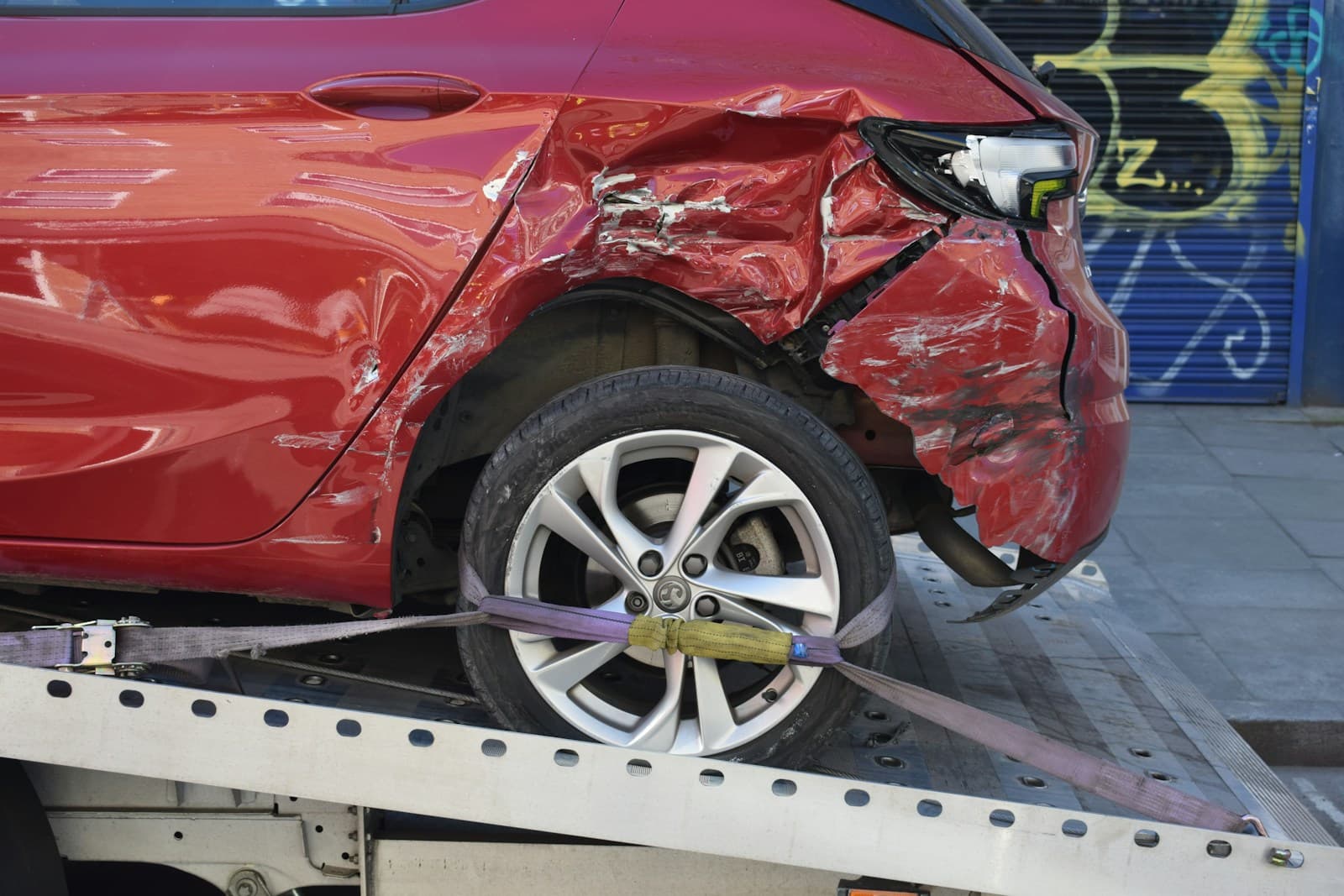
The annual premium for collision and comprehensive on a low-mileage paid-off sedan often runs $400 to $600, and the coverage pays at most the depreciated value minus your deductible.
How Low Mileage Changes the Comparison
Usage-based and low-mileage programs can lower your liability premium substantially because fewer miles directly correlates with lower accident probability. Physical-damage premiums also drop with mileage, but the reduction is smaller: comprehensive claims like theft and hail happen whether you drive 4,000 or 14,000 miles a year, and collision risk is mileage-sensitive but not eliminated. Carriers writing in California that offer mileage-based programs include Nationwide's SmartMiles, Allstate's Milewise, and GEICO, but the physical-damage savings often fall short of the liability savings.
California law requires insurers to offer a mature-driver discount for operators 55 and older, codified in CA Ins. Code §11628.3. The statute does not fix the percentage; each carrier sets the amount in its filed rates. Some carriers apply the discount only to liability coverages, others extend it to collision and comprehensive. The carrier's discount structure is not published on renewal notices; you confirm it by asking your agent or calling underwriting directly. If your current carrier applies the mature-driver discount only to liability, a carrier that extends it to physical-damage coverage could lower your collision and comprehensive cost without changing your coverage.
Related Articles


The Sacramento Context and Carrier Comparison Strategy
Sacramento's moderate climate reduces comprehensive claims compared to hail-prone or hurricane-exposed regions, but vehicle theft rates in California remain above the national average. Comprehensive coverage on a parked sedan in Sacramento insures against theft risk that does not disappear when you drive less. Collision exposure does drop with mileage, but comprehensive exposure is largely mileage-independent.
Carriers writing in California with low-mileage or usage-based programs include State Farm, Progressive, Geico, Nationwide, and Allstate. Not all extend the mature-driver discount to physical-damage coverages. State Farm and Geico write in the preferred tier and offer both mature-driver and low-mileage discounts, but the breakdown by coverage type varies by underwriting file. Mercury General writes standard-tier policies in California and applies discounts filed with the state, but online documentation does not specify whether the mature-driver discount extends to collision and comprehensive; you verify that at quote time.
The comparison decision is carrier-specific and requires quoting the same coverage limits and deductibles across at least three carriers. Request quotes with collision and comprehensive included, then request quotes with those coverages removed. The delta is the annual cost of physical-damage coverage. Compare that delta to the vehicle's actual cash value minus your deductible. If the delta is more than ten percent of net payout potential, the coverage may no longer earn its cost.
One structural quirk matters here: if you drop collision and comprehensive mid-term, most carriers apply a short-rate cancellation penalty that reduces your refund below the pro-rated amount. The cleanest time to remove physical-damage coverage is at renewal, not mid-policy. If you are three months from renewal, the decision can wait; if renewal is next week, the decision is now.
Carriers Writing in CA
25
Twenty-five carriers in the injected data write auto insurance in California, spanning preferred, standard, and non-standard tiers. Not all offer mature-driver or low-mileage discounts on physical-damage coverages; comparison shopping reveals which do.
California auto_insurance_carriers_by_state
When Keeping Coverage Makes Sense Despite the Cost
Some retirees keep collision and comprehensive even when the premium-to-value ratio exceeds ten percent. Three scenarios justify that choice. First, you do not have $12,000 in accessible savings to replace the vehicle out of pocket if it were totaled tomorrow, and losing the car would eliminate your independence. The coverage functions as financial protection against a loss you cannot absorb, even if the annual cost is high relative to the vehicle's value.
Second, the vehicle is your only car and you would replace it immediately with a comparable used vehicle if it were totaled. The payout funds the replacement; without it, you finance the replacement or dip into retirement savings you had allocated elsewhere. Third, comprehensive coverage in California often costs $150 to $250 annually on a moderate-value sedan, and theft risk in Sacramento justifies that spend even if collision coverage does not. You can drop collision and keep comprehensive; they are separate coverages priced separately.
The Medical Payments and Medicare Coordination Layer
Medical payments coverage, often called med-pay, pays medical bills for you and your passengers after an accident regardless of fault, up to the policy limit. California does not require med-pay; it is an optional coverage. Medicare is your primary health insurer in retirement, and it covers accident-related injuries the same as any other medical event. Med-pay pays first, before Medicare, and covers the deductibles and co-pays Medicare does not.
If you carry a $5,000 med-pay limit and incur $8,000 in accident-related medical bills, med-pay pays the first $5,000 and Medicare covers the remaining $3,000 subject to its deductible and co-insurance. The med-pay payout is not taxable and does not affect your Medicare premium. If you do not carry med-pay, Medicare pays from dollar one, and you cover the Part A deductible and Part B co-insurance out of pocket. The annual cost of a $5,000 med-pay limit typically runs $40 to $80; the coverage is inexpensive and pays before Medicare applies, which can matter if the accident happens early in the calendar year before you have met your Medicare deductible.
What to Do Before Your Next Renewal
Look up your vehicle's current actual cash value using Kelley Blue Book or NADA Guides; use the private-party sale value for a realistic estimate. Subtract your collision deductible from that figure to arrive at maximum net payout. Pull your current policy declarations page and identify the annual premium for collision and comprehensive; if the premium is bundled into a single figure, call your agent and request the breakdown. Divide the annual physical-damage premium by the net payout figure. If the result is greater than 0.10, the coverage costs more than ten percent of what it would pay, and you are a candidate for dropping it.
Request quotes from at least two other carriers writing in California with mature-driver and low-mileage programs: State Farm, Geico, Progressive, or Nationwide. Specify your annual mileage, your age, and that you completed a mature-driver course if applicable. Ask each carrier whether the mature-driver discount applies to collision and comprehensive or only to liability. Compare the delta between full-coverage and liability-only quotes across all three carriers. The lowest liability-only quote may come from a different carrier than your current one, and the savings may exceed the value of keeping physical-damage coverage on the paid-off vehicle. Quote at renewal time, not mid-term, to avoid short-rate penalties.