
The Paid-Off Car Coverage Question
You opened your renewal notice and saw the collision and comprehensive premium eating $80 a month on a sedan worth maybe $6,000. The car has been paid off since 2019. You drive it to the grocery store, the pharmacy, and occasionally to visit family in San Bernardino County. The premium feels like dead weight, but the agent said dropping full coverage means you are unprotected if someone hits you in a parking lot.
That framing conflates two risks. Liability coverage protects your retirement assets if you cause an accident. Collision and comprehensive protect the vehicle itself. Once a car is paid off and its market value has dropped below a threshold where the premium and deductible together approach the payout, full coverage becomes a judgment call you control. Mature-driver and low-mileage discounts available to California retirees shrink the premium, but they do not change the vehicle-value arithmetic.
Compare rates from carriers that specialize in senior drivers
Mature driver discounts, low-mileage rates, and coverage reviews — see what you're actually eligible for.
Get Your Free QuoteTypical Collision Deductible
$500
If your vehicle is worth $6,000 and you carry a $500 deductible, the insurer pays a maximum of $5,500 after a total-loss accident. Subtract annual collision and comprehensive premium from that figure to see net protection value.
What Full Coverage Actually Pays For
Collision coverage pays to repair or replace your vehicle after an accident you cause, regardless of fault. Comprehensive pays for damage from theft, vandalism, hail, fire, and animal strikes. Both pay actual cash value minus your deductible. Actual cash value is market value at the time of loss, after depreciation.
Liability coverage operates separately. California requires $15,000 property damage and $30,000 bodily injury per person, but retirees with home equity, retirement accounts, or other assets exposed in a lawsuit often carry $100,000 per person or higher. Liability protects your assets; collision and comprehensive protect the car. Dropping the latter does not reduce the former.
The disconnect happens because agents and carriers use full coverage as shorthand for a package including both. When you ask whether you need full coverage, the real question is whether collision and comprehensive premiums are worth the net payout after the deductible and depreciation reduce the check you would receive.
Your collision and comprehensive coverage protects a depreciating asset. When annual premium plus deductible approaches the vehicle's market value, the math stops working in your favor.
The Vehicle-Value Threshold
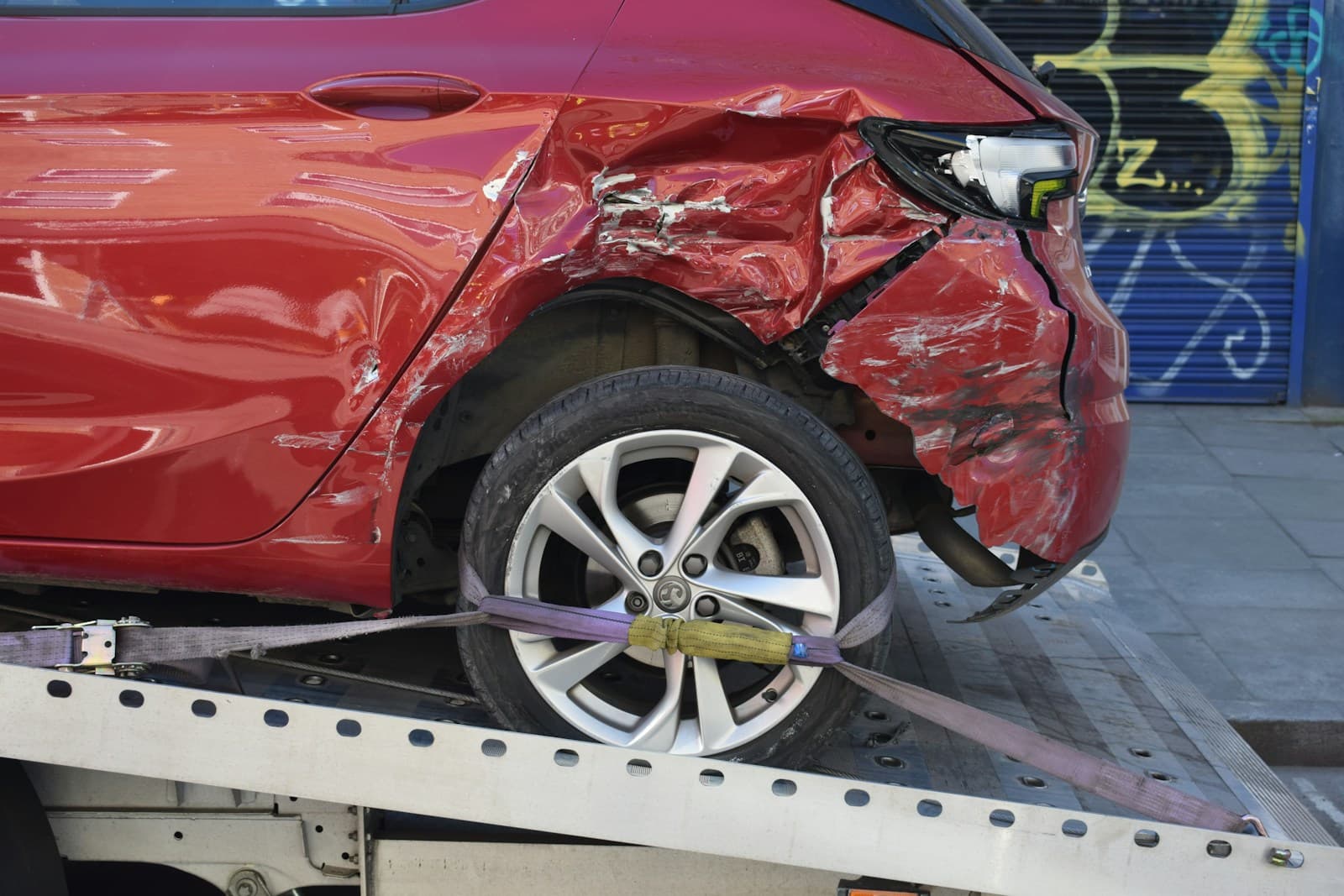
Add your deductible to the annual premium. If that sum is more than 20 percent of the vehicle's current market value, collision and comprehensive are costing more relative to the protection they provide. For a $5,000 vehicle with a $500 deductible and $800 annual premium for both coverages, you are spending $1,300 to protect $4,500 in net exposure. The break-even window narrows quickly as the car ages.
California retirees who qualify for the mature-driver discount and a low-mileage program can lower that annual premium substantially, but the arithmetic still hinges on vehicle value. Check your vehicle's actual cash value using Kelley Blue Book or NADA Guides, not the replacement-cost estimate your agent may cite. Actual cash value is what the insurer pays, and it reflects depreciation the replacement estimate does not.
Related Articles




California Discounts That Lower the Premium
California Insurance Code Section 11628.3 requires insurers writing in the state to offer a mature-driver discount to operators aged 55 and older. The statute does not fix the percentage; each carrier sets the amount in its filed rates. The discount applies when you complete a state-approved defensive driving course, typically offered by AARP, AAA, and other approved providers.
Low-mileage and usage-based programs shrink premiums for retirees who no longer commute. Carriers including State Farm, Progressive, and Geico offer programs that discount based on annual mileage or driving behavior tracked through a mobile app or plug-in device. A retiree driving 4,000 miles annually qualifies for substantially lower rates than the commuter-era baseline the carrier assumed at your last renewal.
Request both discounts when comparing carriers. The mature-driver discount requires submitting the course certificate to your carrier or agent; most will not apply it automatically. Low-mileage programs require enrollment and verification, either through odometer photos or telematics tracking. These two combined can reduce collision and comprehensive premiums enough to shift the vehicle-value threshold, making full coverage worth keeping on a moderately valued car.
Riverside County retirees can compare carriers writing in California using the state Department of Insurance rate-comparison tool or by requesting quotes directly from carriers offering senior-friendly underwriting. Carriers that specialize in mature-driver profiles include CSAA, Auto Club Enterprises, and Amica, all writing in California and offering both mature-driver and low-mileage programs.
Carriers Writing in California
25
California retirees can compare mature-driver and low-mileage discount programs across 25 major carriers licensed in the state, including standard, preferred, and non-standard tiers. Request quotes from at least three to verify which applies the statutory mature-driver discount and how much the low-mileage program saves.
California Department of Insurance carrier licensure data
When Liability-Only Makes Sense
Liability-only coverage keeps the state-required minimums and drops collision and comprehensive entirely. This works when the vehicle's market value is low enough that replacing it out of pocket costs less than continuing to pay collision and comprehensive premiums over the next two to three years. For a $3,000 vehicle, paying $700 annually for full coverage means you spend more than the car's value in five years.
Retirees with emergency savings or other liquid assets can self-insure the vehicle and redirect the collision and comprehensive premium into savings or other retirement expenses. The risk is that a total-loss accident leaves you without a car and you must replace it immediately. If that scenario would strain your budget, keeping collision and comprehensive makes sense even on a lower-value vehicle, especially after applying mature-driver and low-mileage discounts.
Keeping Higher Liability Limits
Dropping collision and comprehensive does not mean dropping liability limits. California's $15,000 property damage and $30,000 bodily injury per person minimums do not protect home equity, retirement accounts, or other assets a plaintiff can reach after a serious at-fault accident. Retirees with significant assets typically carry $100,000 per person or higher, often paired with an umbrella policy.
The cost difference between state minimums and $100,000 per person is modest compared to the collision and comprehensive premium on an older vehicle. Redirect the collision and comprehensive savings toward higher liability limits if you are currently carrying only the state floor. The liability coverage protects decades of savings; the collision coverage protects a depreciating car. Prioritize accordingly.
Compare Carriers and Document Your Decision
Request quotes from at least three California carriers writing in Riverside County. Verify which offers the mature-driver discount, how much it reduces the premium, and whether the low-mileage program applies to your annual mileage. Compare the collision and comprehensive premium after discounts against your vehicle's actual cash value minus the deductible. If the annual premium plus deductible exceeds 20 percent of net vehicle value, liability-only becomes the rational choice unless you lack liquid savings to replace the car after a loss. Document your vehicle's current market value and the premium comparison so you can revisit the decision at each renewal as the car continues to depreciate.