When the Lien Drops and the Premium Doesn't
You made the final payment on your 2016 Camry, received the title in the mail, and filed it with a sense of accomplishment. Then your renewal notice arrived. The premium stayed exactly where it was, $140 a month, even though the bank no longer requires collision coverage or comprehensive coverage. Your neighbor mentioned she dropped both after payoff and cut her bill in half. Your adult daughter asked whether you still need the same coverage now that the car is yours outright.
The question you're asking is not whether the lien demands it anymore, it's whether the coverage still makes financial sense. That decision rests on the vehicle's replacement cost, your monthly premium outlay, and how those two numbers relate. Most retirees never run the arithmetic; they either keep full coverage by inertia or drop it because the lien is gone, neither of which is a decision. This article walks the calculation for a paid-off vehicle in San Jose, using California's mature-driver discount rules and the specific carriers writing here as the frame.
Compare rates from carriers that specialize in senior drivers
Mature driver discounts, low-mileage rates, and coverage reviews — see what you're actually eligible for.
Get Your Free QuoteCA Senior Discount Mandate
required
California Insurance Code §11628.3 requires every insurer writing auto policies in the state to offer a mature-driver discount to operators 55 and older. The statute does not fix a percentage; each carrier sets the amount by filing. You qualify by age alone or by completing a state-approved defensive driving course, depending on the carrier's rule.
CA Ins. Code §11628.3
What Full Coverage Actually Protects After Payoff
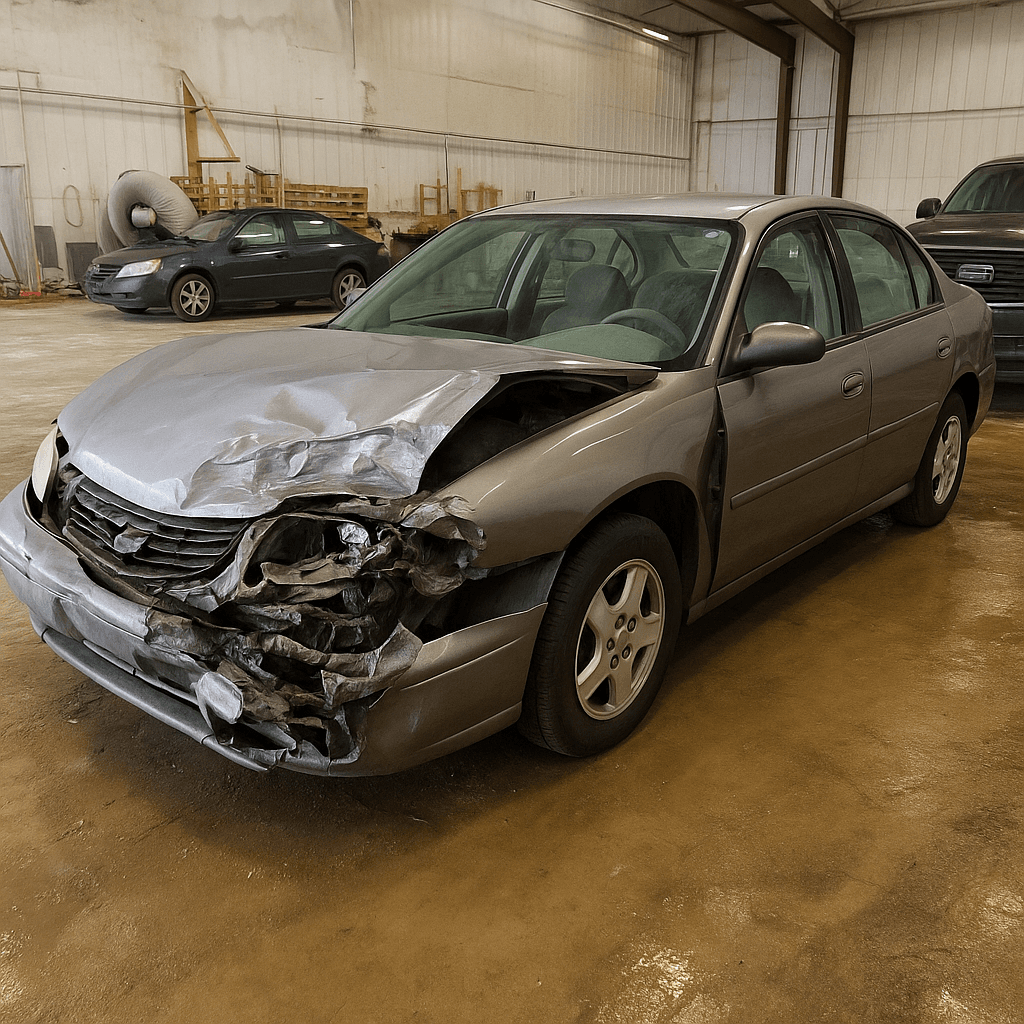
Full coverage on a paid-off car protects one thing: your ability to replace the vehicle without cash outlay if it's totaled or stolen. Collision pays to repair your car after an accident you caused or a single-vehicle incident. Comprehensive pays when the car is stolen, vandalized, hit by hail, or damaged by fire or flood. Neither protects the other driver; that's what liability insurance does, and California requires liability whether your car is paid off or not.
Once the lien is gone, the decision is yours. The coverage no longer serves the bank's interest; it serves your wallet. If your car is totaled and you carry collision, the insurer pays the actual cash value minus your deductible. If you don't carry collision, you pay the replacement cost yourself. The arithmetic is simple: does the annual premium justify the protection, given the car's current value and your financial position?
For a 2016 sedan in average condition, actual cash value in the San Jose market typically sits between $8,000 and $12,000, depending on mileage and trim. If collision and comprehensive together cost $960 a year and your deductible is $500, you're paying roughly 10 percent of the car's value annually to insure against total loss. Over three years, you'll have paid nearly $3,000 in premiums. That's the coverage cost; the question is whether it's worth it to you.
The blocker is not whether the bank requires coverage anymore; it's whether you have $10,000 in accessible savings to replace the car tomorrow if it's totaled tonight.
Running the Replacement-Cost Arithmetic
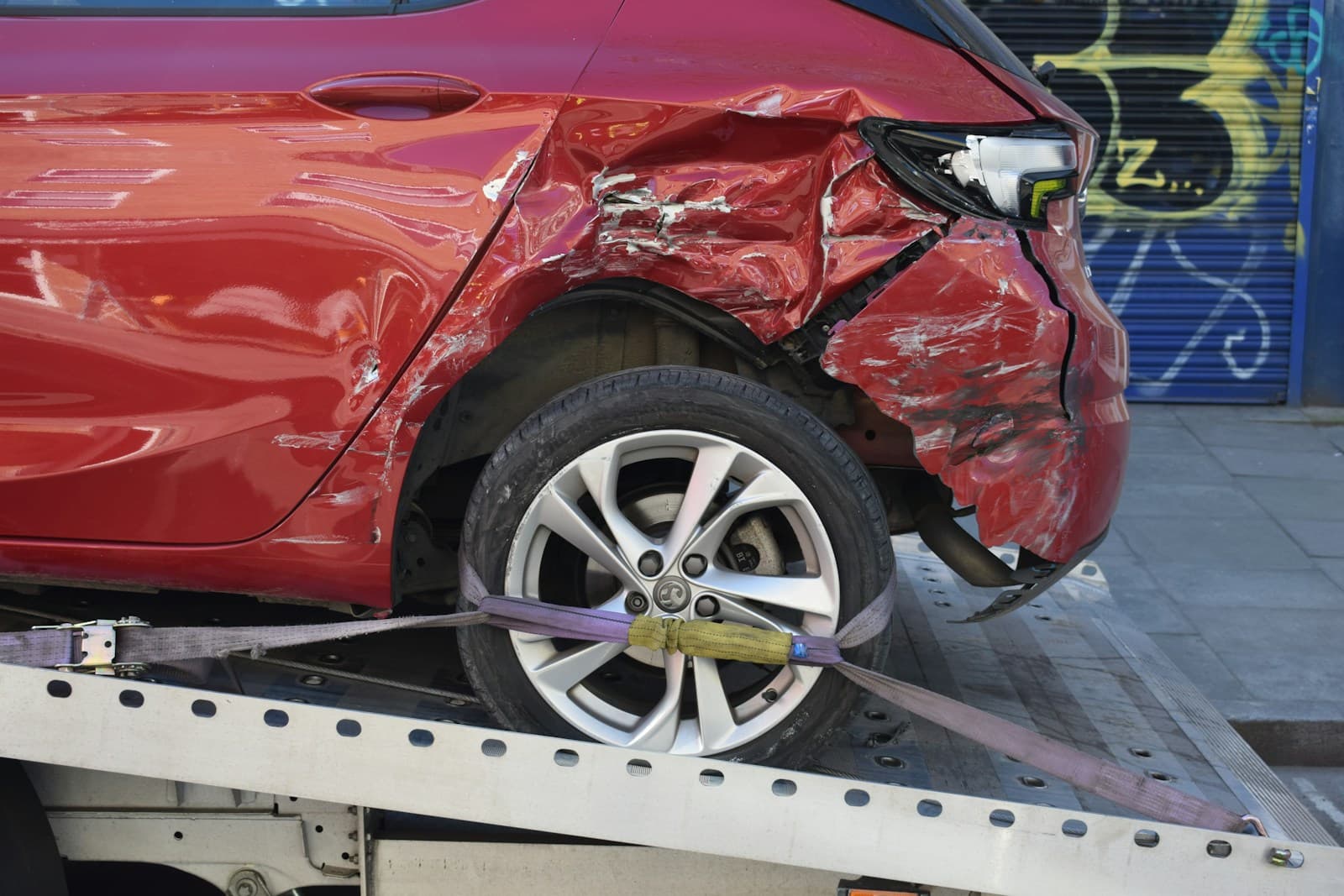
Start with the car's value. Look up your vehicle's actual cash value using Kelley Blue Book or NADA Guides, entering the year, make, model, mileage, and condition accurately. This is the number the insurer would pay if the car is totaled, minus your deductible. If your 2016 Camry with 85,000 miles is worth $9,500 and your deductible is $500, you'd receive $9,000. That $9,000 is what the coverage protects.
Next, total your annual collision and comprehensive premium. If each costs $40 a month, the combined annual outlay is $960. Divide the premium by the protected value: $960 divided by $9,000 equals roughly 11 percent. You're paying 11 percent of the car's value each year to insure it. Over the three-year period most retirees keep a paid-off car, you'll pay $2,880 in premiums to protect a $9,000 asset. If the car isn't totaled, that $2,880 bought peace of mind. If it is totaled, you net $6,120 after subtracting premiums paid. The question is whether that net protection is worth the annual cost, given your savings position and whether you could replace the car without insurance proceeds.
Related Articles


When Dropping Coverage Makes Sense
Dropping collision and comprehensive makes sense when the annual premium exceeds 10 percent of the car's value and you have accessible savings to replace the vehicle if needed. If your car is worth $8,000 and the combined premium is $1,000 a year, you're paying 12.5 percent annually. Over two years, premiums will equal a quarter of the car's value. If you have $10,000 in a savings account and could replace the car tomorrow without financial strain, the coverage may cost more than it protects.
Retirees on a fixed income often face this calculation differently than working drivers. You're no longer building savings; you're managing a stable pool. Paying $80 a month for coverage on a car worth $9,000 may feel prudent, but if that $80 monthly outlay over three years consumes $2,880 and the car isn't totaled, you've redirected nearly a third of the vehicle's value into premiums. If your financial position allows self-insurance, dropping the coverage and banking the premium difference builds your replacement fund faster than the policy does.
Two situations tilt the decision toward keeping coverage: you cannot replace the car without insurance proceeds, or the car's value significantly exceeds the typical paid-off vehicle range and the premium-to-value ratio stays below 8 percent. A 2019 vehicle worth $18,000 with a $1,200 annual collision and comprehensive premium sits at roughly 7 percent, and losing that car without coverage would be a meaningful financial hit for most retirees. The threshold is not the lien; it's your financial capacity to absorb the loss.
CA Minimum Property Damage
$15,000
California requires $15,000 in property damage liability coverage, the amount your policy pays when you damage someone else's vehicle or property. This is separate from collision, which covers your own car. You must carry liability whether your car is paid off or not; dropping collision does not affect your liability obligation.
California auto insurance state minimums
California Carriers and Mature-Driver Discount Access
California law requires every insurer writing auto policies in the state to offer a mature-driver discount to operators 55 and older, but the percentage is not fixed by statute. Each carrier sets the amount by filing, and you must ask to confirm what your current carrier applies and whether completing a state-approved defensive driving course increases it. Most carriers do not automatically apply course-based discounts at renewal; you submit the certificate, and the discount appears on the next billing cycle if you submit it before the renewal date.
State Farm, GEICO, Progressive, and Farmers all write in San Jose and all offer mature-driver discounts under the state mandate. GEICO and Progressive provide online quoting; State Farm and Farmers may require agent contact depending on your profile. If you're comparing whether to keep full coverage, request quotes with collision and comprehensive included and again with those coverages removed. The delta is the annual cost of full coverage, and that number feeds directly into the replacement-arithmetic decision.
If you've been with the same carrier for a decade and never asked about the mature-driver discount, call and confirm it's applied. If you completed a defensive driving course two years ago and the discount appeared, check whether the certificate has an expiration. Some carriers require re-enrollment every three years; if the certificate lapses, the discount disappears at the next renewal, and most carriers will not notify you. You'll see the premium increase without explanation unless you connect the lapse to the billing change.
What Happens at Renewal If You Drop Coverage
If you decide to drop collision and comprehensive, contact your carrier or agent before the renewal date and request the change in writing. The carrier will issue an updated declarations page showing liability, uninsured motorist, and any other coverages you're keeping, with collision and comprehensive removed. Your premium will drop immediately on the next billing cycle. You remain fully insured under California law as long as liability minimums are in place; the state does not require collision or comprehensive on any vehicle, paid off or not.
One procedural detail most retirees miss: if you drop collision and comprehensive mid-term rather than at renewal, the carrier will prorate the refund for the unused portion of the term. You won't lose the premium you've already paid for coverage you're now removing. If you're three months into a six-month policy and you drop full coverage, you'll receive a refund for the collision and comprehensive premium covering the remaining three months. The refund typically appears as a credit on the next bill or as a check if you've prepaid the term in full.
Compare Coverage Fit and Carrier Rates Before You Decide
The final step is a comparison decision, not a coverage decision in isolation. Request quotes from at least three carriers writing in San Jose, showing both full coverage with collision and comprehensive included and liability-only with those coverages removed. The side-by-side comparison will show you exactly what full coverage costs annually across carriers and whether switching carriers saves more than dropping coverage with your current insurer. Many retirees discover that a different carrier's liability-only rate plus the mature-driver discount beats their current carrier's full-coverage rate, even before removing collision and comprehensive.
Run the replacement arithmetic with the actual numbers in front of you: the car's current value, the annual collision and comprehensive premium from each quote, your deductible, and your accessible savings. If the premium-to-value ratio exceeds 10 percent and you can replace the car without insurance proceeds, dropping coverage and banking the monthly savings builds your replacement fund faster than the policy does. If the ratio stays below 8 percent and losing the car would strain your finances, keeping coverage makes sense. The lien is gone; the decision is now purely financial, and the numbers will tell you which path fits your position.