The Coverage Question Nobody Asks Until the Car Is Paid Off
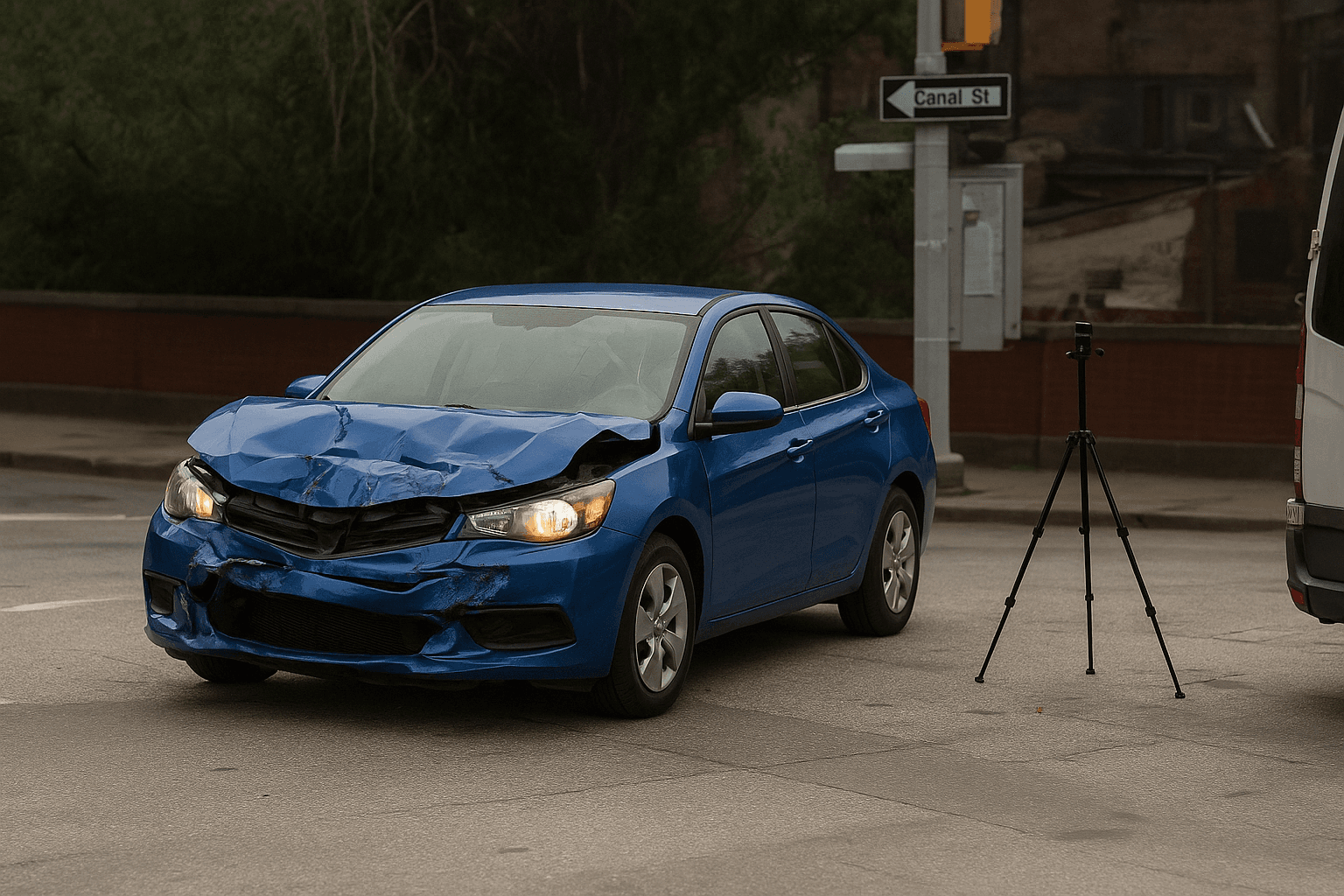
You made your final car payment six months ago. Your agent called to confirm the lienholder was off the policy, and you asked whether you still needed comprehensive and collision. The agent said it was optional now, so you dropped both and watched your premium fall from $142 to $68 a month. The savings felt smart until a friend's paid-off Camry was totaled by a hit-and-run driver last month, and liability-only coverage paid zero toward replacing it.
Retirees in Santa Ana face this decision constantly. You drive a 2016 Honda Accord or a 2014 Toyota Highlander with 87,000 miles, no monthly payment, and a clean title. The lender required full coverage when you financed it, but now the choice is yours. The question is not whether the law requires it: California does not. The question is whether the coverage still earns its cost against the risk of losing the vehicle outright.
Compare rates from carriers that specialize in senior drivers
Mature driver discounts, low-mileage rates, and coverage reviews — see what you're actually eligible for.
Get Your Free QuoteCalifornia Property Damage Minimum
$15,000
California requires $15,000 property damage liability per accident. That limit protects the other driver's vehicle when you cause the crash. It does nothing for your own car, paid off or not.
California Insurance Code
What Full Coverage Actually Protects Once the Lender Is Gone
Full coverage is industry shorthand for liability plus comprehensive plus collision. Liability covers the other driver's property and injuries when you cause the accident. Comprehensive covers your vehicle when something other than a collision damages it: theft, vandalism, fire, hail, flood, hitting a deer. Collision covers your vehicle when you hit another car, a pole, a guardrail, or roll it in a ditch, regardless of fault.
The lender required comprehensive and collision because their financial interest in the vehicle exceeded yours while you owed $18,000 on a $22,000 car. Once you pay it off, their interest disappears. Your financial interest remains: you own an asset worth $9,200 or $14,500 or $6,800, depending on year, mileage, and condition. The coverage decision is now whether that asset justifies the premium you pay to protect it.
Most California carriers writing senior business offer mature-driver discounts, and state law requires insurers to offer one for drivers 55 and older. The statutory discount amount is set by each insurer under California Insurance Code Section 11628.3, not fixed by percentage. That discount applies to your entire premium, including comprehensive and collision if you keep them. Dropping those coverages cuts your bill by a larger dollar amount than any discount will.
The blocker is informational: you lack the vehicle's actual cash value and the cost to replace comprehensive and collision at today's rates, so you cannot compare premium to protected asset.
How to Value What You Would Lose
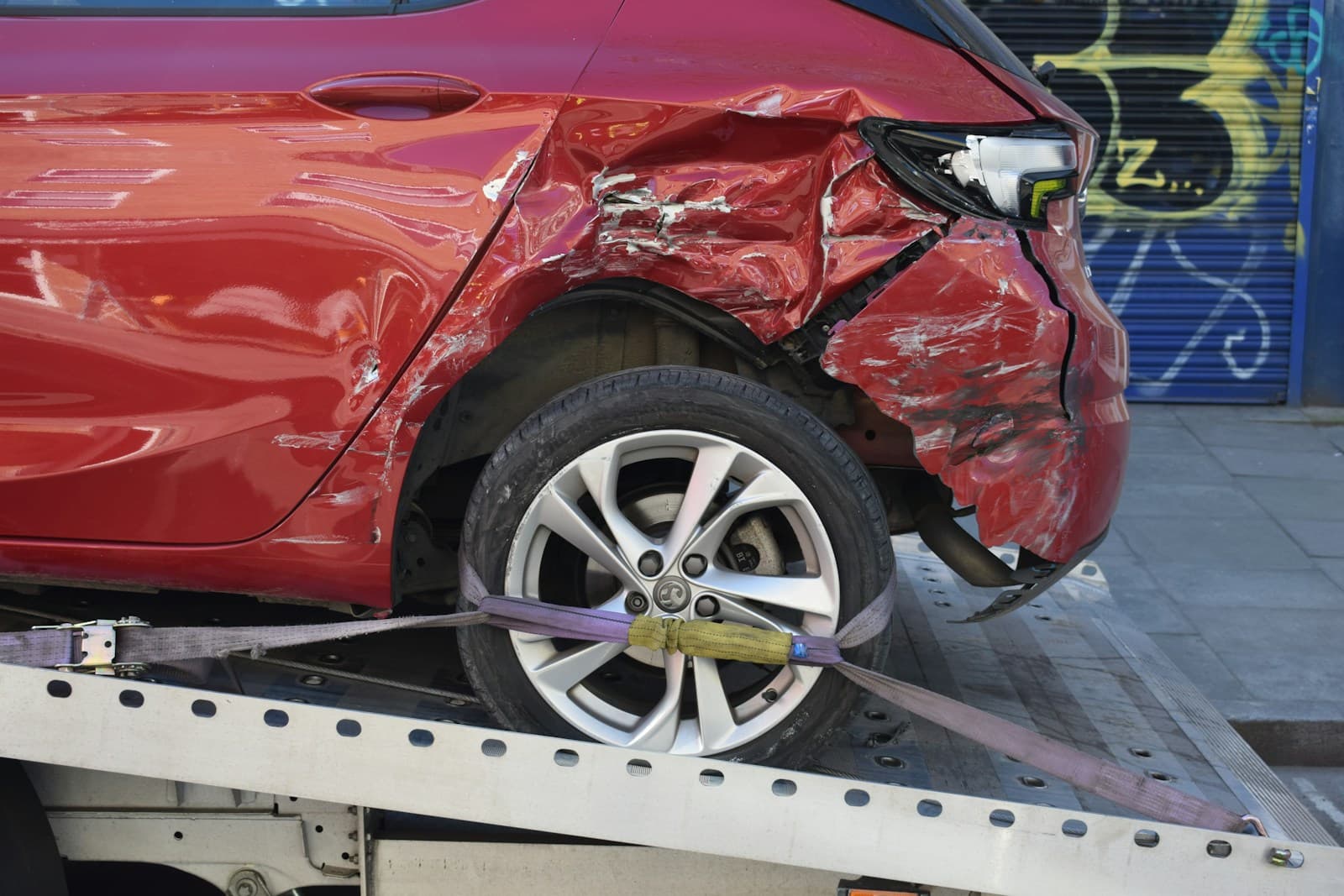
Start with actual cash value. Your vehicle is worth what a willing buyer would pay for it in its current condition in the Santa Ana market, not what you paid in 2016 or what you remember from the payoff letter. NADA Guides, Kelley Blue Book, and Edmunds all publish valuation tools that adjust for mileage, options, and condition. Run your VIN through two of them and average the private-party sale figures. That average is your financial exposure if the vehicle is totaled and you carry no collision or comprehensive coverage.
Next, price what you dropped. Call your current carrier or request a quote online with comprehensive and collision reinstated at a $500 deductible and compare it to your liability-only rate. The difference is the annual cost to protect the asset. If that cost is more than 10 percent of the vehicle's value annually, the math tilts toward self-insuring. If it is under 10 percent and you lack $8,000 in accessible savings to replace the car outright, the coverage still earns its cost.
Related Articles


The Scenarios Where You Keep the Coverage
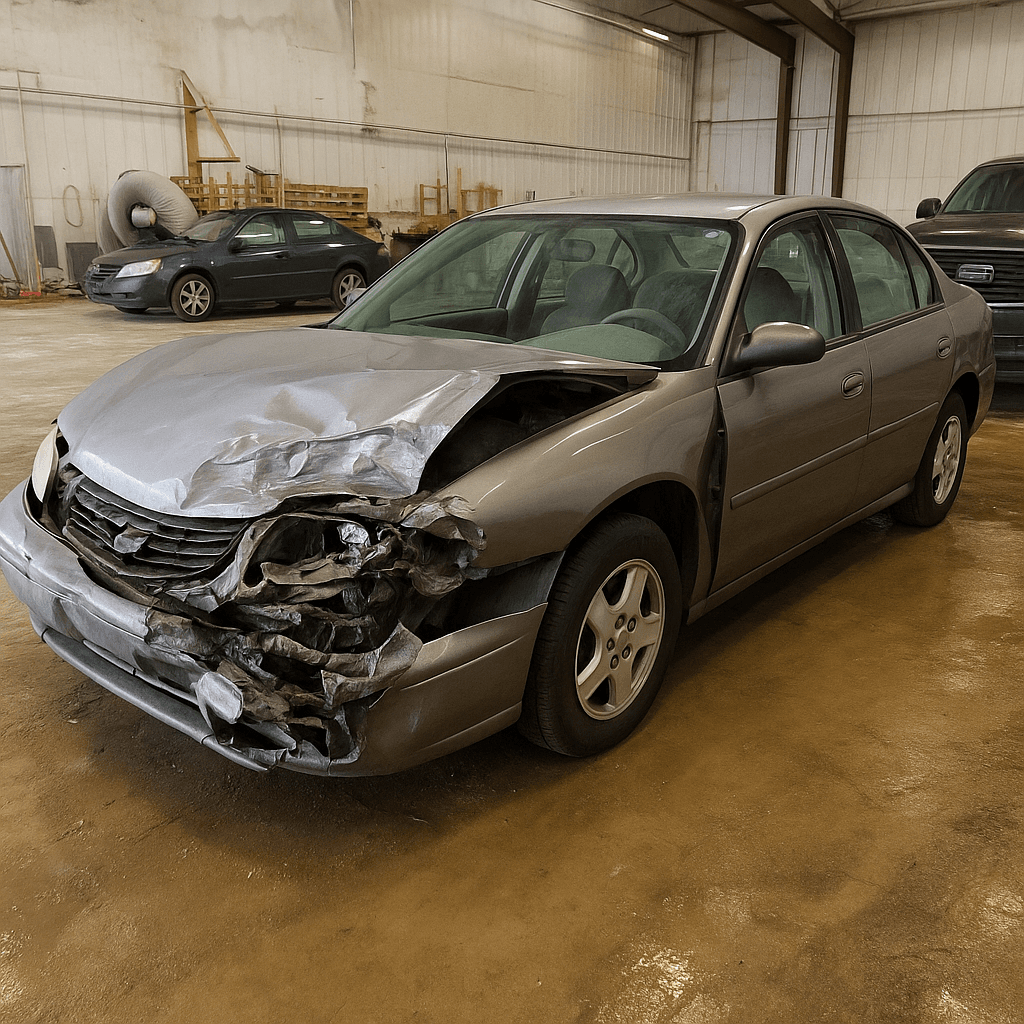
Keep comprehensive and collision if your vehicle is worth more than $10,000 and you do not have that amount in liquid savings you can access without penalty. A 2018 Accord in excellent condition with 62,000 miles is worth $13,800 in the Santa Ana market. Replacing it after a total loss requires that cash or financing another vehicle, which reintroduces a monthly payment you just eliminated. Comprehensive and collision bridge the gap between what you can access and what replacement costs.
Keep them if you park on the street in Santa Ana's higher-theft corridors or in an area with frequent catalytic converter theft. Comprehensive covers stolen vehicles and stolen parts. Liability does not. If your neighborhood has seen multiple thefts in the past year, the risk is not theoretical.
Keep them if weather or flood risk is material where you live. Santa Ana does not flood frequently, but comprehensive covers water damage when it does. Comprehensive also covers fire, and Southern California wildfire smoke and ember spread have damaged vehicles parked miles from the burn zone. If your vehicle sits outside and a wildfire season approaches, comprehensive is not optional.
The Scenarios Where You Drop the Coverage
Drop comprehensive and collision if the vehicle is worth less than $5,000 and you have that amount in savings. The math is simple: if collision coverage costs $420 per year and the vehicle is worth $4,200, you are paying 10 percent of its value annually to protect it. After four years, you will have paid more in premiums than the vehicle was worth when you started. Self-insure instead.
Drop them if you drive under 3,000 miles per year and park in a private garage. Collision risk scales with exposure. If your 2012 Civic sits in your garage six days a week and you drive it to the grocery store, the doctor's office, and church, your collision exposure is a fraction of what it was when you commuted to work daily. Combine low mileage with low value, and the premium becomes harder to justify.
Drop them if replacing the vehicle would not disrupt your household. Some retirees in Santa Ana own two vehicles and would consolidate to one if either were totaled. Others live near family and could borrow a car or rely on rideshare for weeks while shopping for a replacement. If losing the vehicle is inconvenient but not disabling, the coverage is discretionary.
California Carriers Writing Senior Policies
25
Twenty-five carriers write auto insurance in California and serve senior drivers, including State Farm, GEICO, Progressive, and Mercury General. Most offer mature-driver discounts; ask each what their filing sets the amount at and how low-mileage programs apply.
California Department of Insurance carrier data
What Happens If You Drop Coverage and Later Want It Back
You can reinstate comprehensive and collision at any time by calling your carrier or adjusting your policy online. Reinstatement is not conditional on a new inspection, a waiting period, or proof of garaging. The coverage applies the moment the endorsement processes, which is typically the same day for most California carriers writing senior business.
One failure mode: if you drop comprehensive and collision mid-term, your carrier will issue a pro-rated refund for the unused portion of the six-month or annual term. If you reinstate them two months later, you pay the pro-rated cost to add them back through the remainder of the term. Repeated changes within a term can generate processing fees with some carriers, though most do not charge them. Ask before making the change.
Compare What Your Current Carrier Charges Against the Market
Request quotes with and without comprehensive and collision from at least three carriers writing in Santa Ana. State Farm, GEICO, Progressive, Farmers, Mercury General, and Nationwide all write senior business here and offer online quoting. Each prices collision and comprehensive differently based on your vehicle's age, your ZIP code, and your claims history. The carrier that offered the best rate when you financed the car in 2016 may not be competitive now that it is paid off and you are 68.
When you compare, ask each carrier two things: what mature-driver discount applies under California Insurance Code Section 11628.3, and whether they offer a low-mileage or usage-based program for drivers under 5,000 miles per year. The combination of a mature-driver discount and a mileage-based reduction can offset much of the collision premium, making the coverage-fit math tilt back toward keeping it even on a moderately valued vehicle. Get the quotes with both coverages included, then decide. Comparing liability-only rates tells you nothing about what you would pay to protect the car.