
The Payoff Moment Most Policies Never Address
You made the final payment. The lien release arrived. Your car is yours, free and clear. Yet the next renewal notice shows the same full-coverage premium you paid when the loan was active, and nothing in the paperwork explains whether you still need collision and comprehensive or whether dropping them would save enough to matter.
Once the lender no longer requires full coverage, the decision shifts entirely to you. The question is not whether you can afford to keep it; the question is whether the maximum claim you could receive if your 2015 Honda gets totaled tomorrow justifies the $900 you'll pay this year to keep those coverages active. Most Long Beach retirees carry full coverage by inertia, renewing automatically without running the numbers on a car now worth far less than what they paid.
Compare rates from carriers that specialize in senior drivers
Mature driver discounts, low-mileage rates, and coverage reviews — see what you're actually eligible for.
Get Your Free QuoteCalifornia Property Damage Minimum
$15,000
California requires $15,000 property damage liability per accident. This minimum protects others' vehicles when you're at fault, but it does nothing for your own paid-off car in a collision you cause or a hit-and-run where the other driver fled.
CA Vehicle Code
What Full Coverage Protects After the Lender Is Gone
Full coverage combines liability with collision and comprehensive. Liability remains legally required regardless of ownership status. Collision pays to repair or replace your car after an accident you cause or a single-vehicle crash. Comprehensive covers theft, vandalism, weather damage, and animal strikes.
The lender required both because the car secured the loan. Once you own it outright, collision and comprehensive protect only your financial interest, not a creditor's. The coverage cannot pay more than the vehicle's actual cash value at the time of loss, minus your deductible. If your car is worth $4,200 and your collision deductible is $500, the maximum claim you can file is $3,700. If you're paying $75 monthly for collision and comprehensive combined, you'll spend $900 this year to insure against a loss capped at $3,700.
That ratio is the calculation most articles never walk you through. A conventional threshold suggests dropping collision and comprehensive when the annual premium exceeds 10% of the vehicle's value. By that measure, a $4,200 car justifies no more than $420 yearly for those coverages. At $900, you would recover your annual cost only after filing a total-loss claim roughly every 4.6 years, and filing multiple total-loss claims over a short window will raise your rates or terminate your policy outright.
Your collision coverage cannot pay more than the car's actual cash value minus deductible, regardless of how much you've paid in premiums over the years.
Running the Cost-Versus-Value Calculation
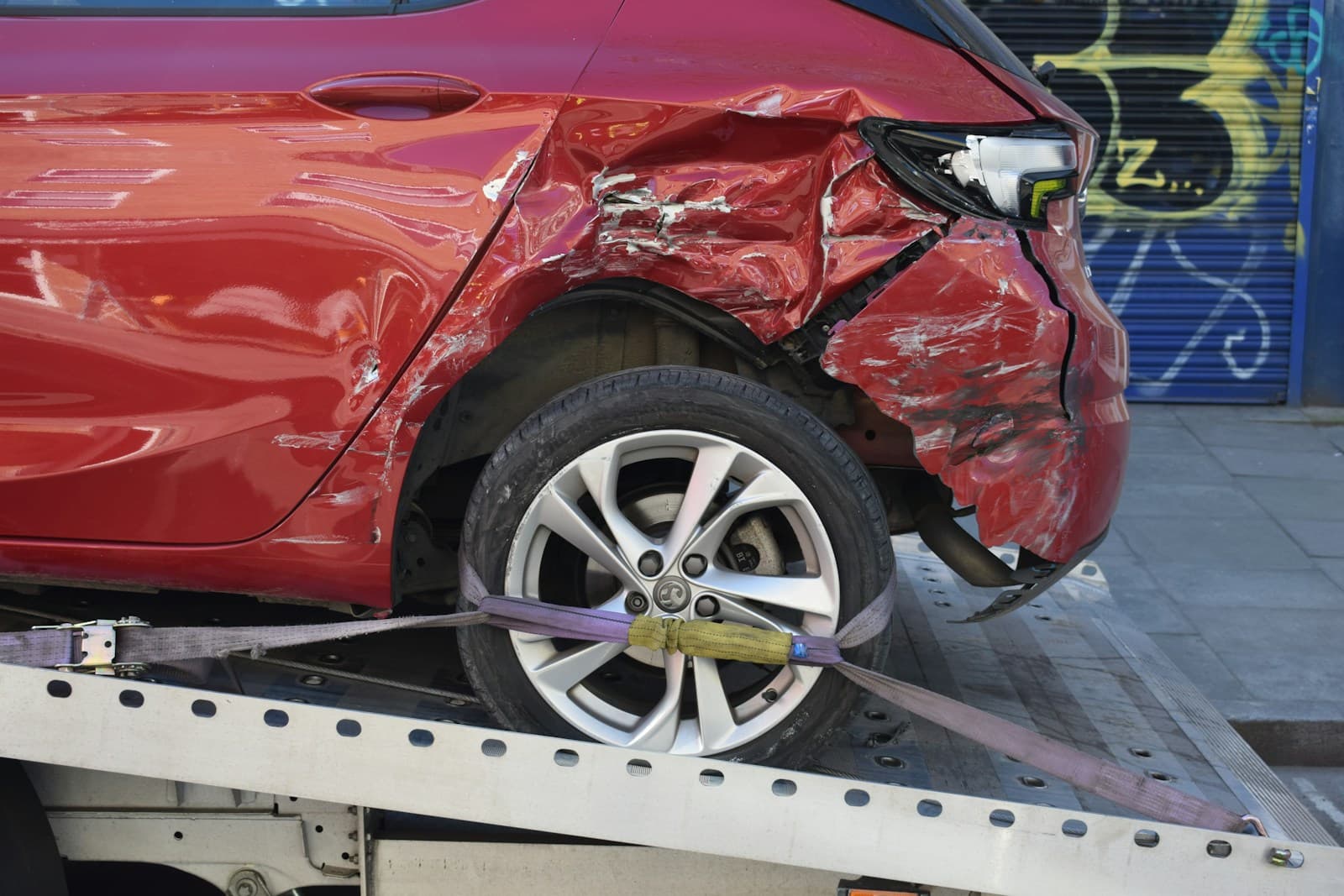
Start with your vehicle's actual cash value. Use NADA Guides, Kelley Blue Book, or recent comparable sales listings for your make, model, year, and mileage. Do not use the purchase price or the value when new. Insurers pay based on depreciated market value at the time of loss. A 2015 sedan with 82,000 miles that sold for $18,000 new might be worth $4,800 today. That $4,800 is your ceiling, and the deductible comes off the top.
Next, isolate the collision and comprehensive line items on your current policy declarations page. Most Long Beach retirees pay $60 to $110 monthly for these two coverages combined on a paid-off vehicle of moderate age and value. Multiply by 12 to get the annual cost. Subtract your maximum potential claim (vehicle value minus deductible) from the annual premium cost. If the breakeven point requires a total-loss claim every three years or less, the coverage is not earning its cost for most drivers with clean records who have not filed a collision claim in decades.
Related Articles


What Changes When You Drop to Liability Only
Dropping collision and comprehensive leaves you with liability-only coverage. You remain legally insured. California requires $15,000 property damage and $30,000 bodily injury per person, $60,000 per accident. Those minimums protect others when you cause an accident; they do nothing for your own vehicle.
If you cause a collision or your car is stolen, you pay out of pocket to replace it. If another driver hits you and has insurance, their property damage liability covers your repairs up to their policy limit. If they fled the scene or carry no insurance, you have no collision coverage to fall back on unless you kept uninsured motorist property damage, which is optional in California and separate from collision.
The decision hinges on whether you can afford to replace the vehicle without insurance. If losing a $4,500 car would force you to carry debt or withdraw from retirement savings, keep collision and comprehensive. If you could buy a comparable replacement from savings without financial strain, liability-only makes sense once the annual premium exceeds the threshold.
One other factor: comprehensive costs far less than collision, typically $15 to $30 monthly. If theft or vandalism risk in your Long Beach neighborhood is high, you can drop collision and keep comprehensive, reducing cost while retaining protection against non-collision losses. Ask your carrier to quote the policy both ways before deciding.
Carriers Writing in California
25
Twenty-five carriers writing auto insurance in California offer varying structures for mature-driver discounts, low-mileage programs, and liability-only policies. Comparing how each treats retirees who no longer need full coverage can surface premium differences that exceed the cost of collision and comprehensive combined.
California Department of Insurance licensure records
Discounts That Apply Regardless of Coverage Level
California Insurance Code Section 11628.3 requires insurers to offer a mature-driver discount to operators 55 and older. The statute does not fix the percentage; each carrier sets the amount in its filed rates. Most apply the discount to liability, collision, and comprehensive alike, but if you drop to liability-only, the discount applies only to the remaining coverages.
Low-mileage and usage-based programs reduce premiums for drivers logging fewer than 8,000 miles yearly. GEICO, State Farm, Progressive, and several others writing in California offer mileage-tracking programs. These discounts stack with the mature-driver discount and apply whether you carry full coverage or liability-only. If you drive 6,000 miles annually in retirement, enrolling in a mileage program can cut your liability premium enough to offset part of what you saved by dropping collision.
Ask your current carrier what the mature-driver discount percentage is under your filing and whether a low-mileage program applies. Then compare that adjusted liability-only premium against what other carriers would charge a Long Beach retiree with your profile. The carrier that offered the best rate when you financed the car may no longer be competitive now that you own it outright and drive half the miles.
Medical Payments and PIP Interaction With Medicare
Medical payments coverage and personal injury protection pay your medical bills after an accident regardless of fault. California does not require PIP; medical payments coverage is optional. Many retirees on Medicare assume they no longer need it, but Medicare does not cover all accident-related costs immediately, and it does not pay for passengers in your vehicle who lack their own health insurance.
Medical payments coverage is inexpensive, typically $8 to $18 monthly for $5,000 in coverage. It pays first, before Medicare processes claims, covering deductibles and co-pays Medicare leaves behind. If you drop collision and comprehensive to reduce cost, keeping a modest amount of medical payments coverage preserves a layer of immediate accident expense protection without reinstating the higher full-coverage premium.
The Next Step After Running the Numbers
Pull your current declarations page and identify your vehicle's market value using NADA or Kelley Blue Book. Calculate the annual cost of collision and comprehensive, then subtract your deductible from the vehicle value to find your maximum claim. If the breakeven point requires a total loss every three to four years, request a liability-only quote from your current carrier and compare it against quotes from at least two other carriers writing in California that offer mature-driver and low-mileage discounts. Confirm what the mature-driver percentage is, verify mileage-program eligibility, and decide whether keeping a small amount of medical payments or comprehensive coverage while dropping collision gives you the cost reduction and risk protection that match your actual situation.